Ahead of next week’s Spring Statement (23 March, 2022) the Federation of Small Businesses (FSB) has urged the Chancellor to ‘deliver the goods’ to help save thousands of businesses and jobs before the cost of living crisis unfolds.
Next week’s Spring Statement needs to be a rallying point for businesses as surging operating costs, supply chain disruption and labour shortages make it increasingly difficult for firms to invest and expand, according to the business lobbying group.
FSB’s comments come on the back of a new Office for National Statistics (ONS) survey of more than 7,000 businesses, that has shown fear of imminent collapse is widespread with five per cent of firms saying they have little confidence of surviving the next three months, and 38% saying they have just three months or less of reserve cash.
In its costed Spring Statement submission, FSB recommends:
- Increasing the Employment Allowance to £5,000.
- Taking an additional 200,000 community small businesses in levelling up target areas out of the business rates system by increasing the rateable value ceiling for small business rates relief to £25,000, and extending a one-year relief on business rates increases linked to property investments in plant and machinery.
- Extending support with energy costs being allocated via the council tax system to micro businesses via the business rates system, and launching a Help To Green initiative to spur on-site renewable generation.
- Delivering on pledges to end the UK’s poor payment culture by making Audit Committees directly responsible for ensuring best practice within supply chains.
- Expanding and making permanent a statutory sick pay rebate for small firms whilst continuing with incentives in England to take on apprentices and T Level placements.
- Widening eligibility for the Help To Grow Digital and Management initiatives to the 750,000 small firms currently excluded from them.
- Simplifying the R&D tax credit system to make it more accessible for small businesses without having to use paid intermediaries.
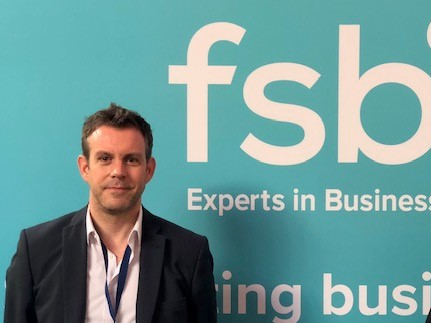
FSB Development Manager for Lancashire & Cumbria Paul Foster said: “We are concerned that businesses are being hit with higher costs at a time when many are either just starting to recover or are struggling to recover from the pandemic. Covid is still impacting some businesses, and many more are just about managing with the debt they took on to get through the last two years. As the costs of energy and employing people continue to increase there is the risk that we derail a very fragile recovery. Consumers are tightening their belts to cope with rising household costs, which means less money is being spent in local shops and venues.
“We want to see the Government offset the rising costs of employing people by increasing the Employment Allowance, which would mean small businesses get some relief in terms of their national insurance costs.
“We want to see business rates reductions for businesses with properties which don’t currently get full rates relief.
“We also need to see support for fuel and energy bills for businesses as well as households.
“The Chancellor has a choice: plough on with damaging tax hikes, or take steps to protect the most fragile, and empower small firms to deliver his ‘culture of enterprise’ vision.
“He rightly talks about the need to invest in capital, people and ideas. However, that investment cannot happen so long as surging operating costs are depleting cash reserves and disposable incomes.
“The time to deliver a low tax, high investment, dynamic economy is now, not later in the political cycle. The Chancellor cannot control the wholesale price of gas and oil, but he can control tax policy.
“Businesses are already bracing for impact, so we are urging the Chancellor to use the means at his disposal to cushion the blow.”
Photo by Annie Spratt on Unsplash