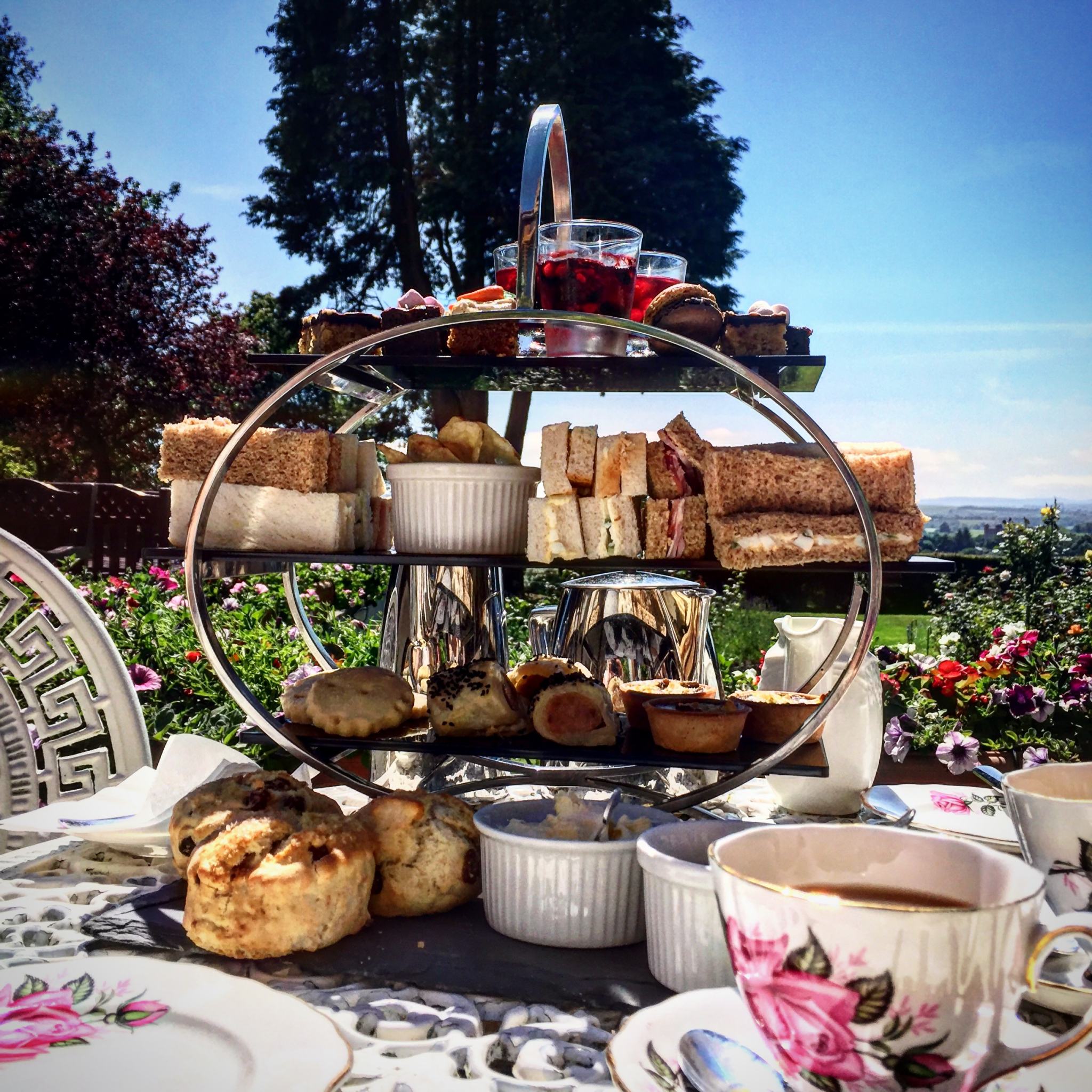
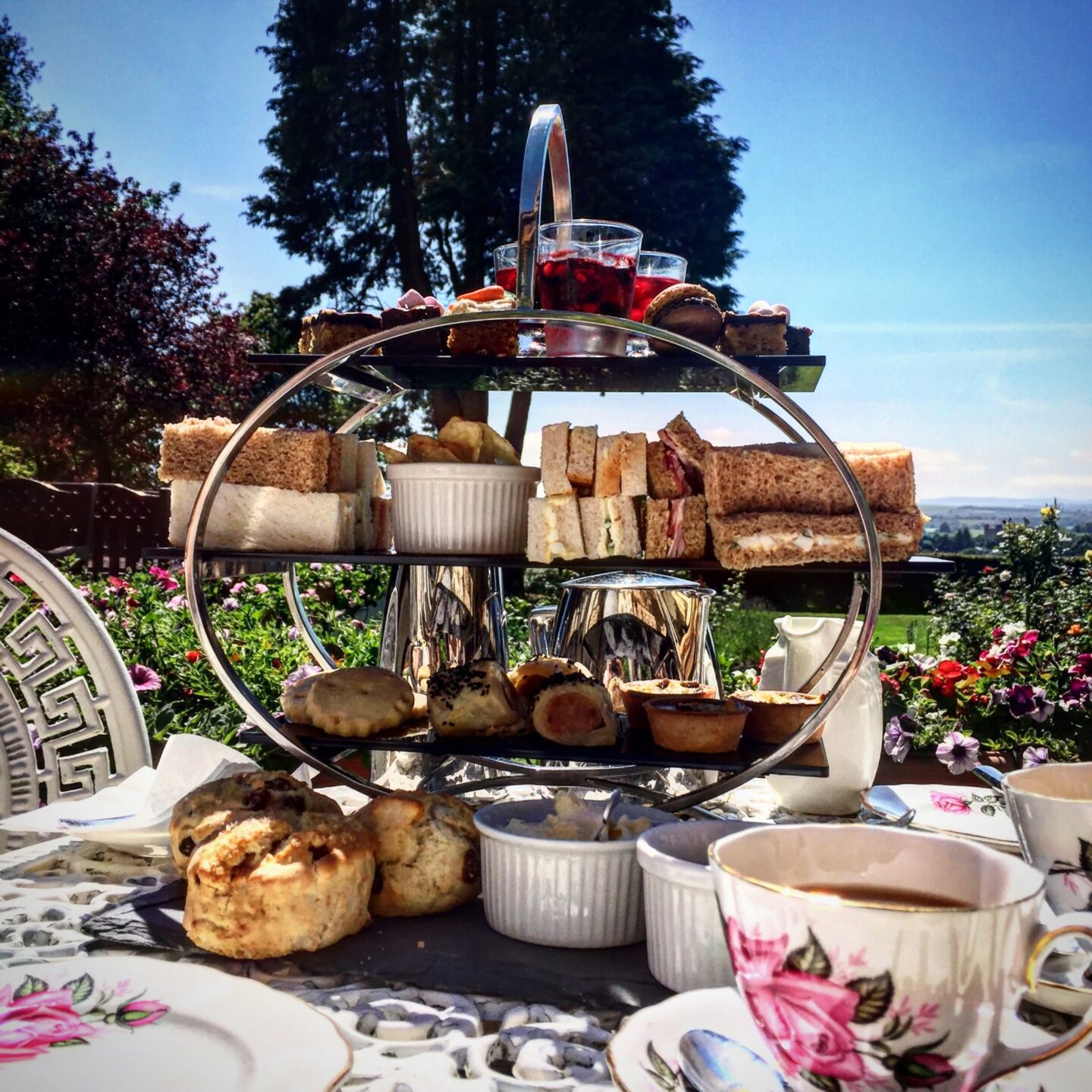
This is a special Easter Sunday for those who enjoy a good cuppa – it’s also Internatonal Tea Day, which is why we are launching our new series – Teapot Tails, celebrating the great tearooms in Cumbria which welcome dogs as well as muddy boots!
On the high streets there as been the explosion of coffee houses, both chain and independent cafes – and while we have these springing up across Cumbria we also have many great tearooms too.
So what’s so special about tea you may ask – well it’s so British and so refreshing. Accredited tea sommelier and the founder of RoqberryKim Havelaar shares this information about tea with Cumbria24.

Kim said: “An increased focus on health means that restaurants and bars are seeing a significant and increasing demand for alcohol-free drinks. As tea has a fantastic ability to complement food, more and more restaurants now offer a tea and food pairing menu alongside their wine pairing menu. It is not surprising then, that alongside the long-established profession of a wine sommelier, a newly emerging role is that of tea sommelier.
“Similar to how a wine sommelier looks after the wine offering of a restaurant, a tea sommelier looks after the tea menu, ensures staff are properly trained on how to brew each tea and its unique characteristics. A tea sommelier also works with the chef to pair tea to the food menu and can suggest teas that best complement a particular dish.
“To work as a tea sommelier the first step is a degree of self-study on the subject and ideally some experience working with tea in a hospitality setting. Personally, I have also visited tea plantations and manufacturers in India and Japan to understand the process, leaf to cup. To stay up to date on the latest innovations I think it is important to visit tea plantations on a regular basis. Certifications can be obtained through the UK Tea Academy. To achieve this, you will follow an intense course followed by both a written and verbal exam, as well as a practical test on achieving the optimal brew for a particular variety.
“Tea, much like wine, is grown in several countries around the world, each with their own unique processing methods and flavour profiles. As a sommelier, you have a broad knowledge about the main categories of tea and the most renowned varieties within them. With time and experience you deepen your knowledge but as the topic is so expansive there will always be more to learn.
“A big part of being a tea sommelier has to do with being able to suggest a tea to compliment particular dishes. The variety and versatility of tea lends itself perfectly to pair with meals and almost all teas, including flavoured blends, will have a food pairing that works well. I find that although certain basic rules can be learned from theory, a better ability to suggest tea and food pairings comes from experience, palette and a degree of trial and error.