

Over the past five years or so, I’ve been slowly developing what I’ve come to think of as a kind of ‘Eden Anthology’, although I’ve only recently explicitly named and conceived of the project as such.
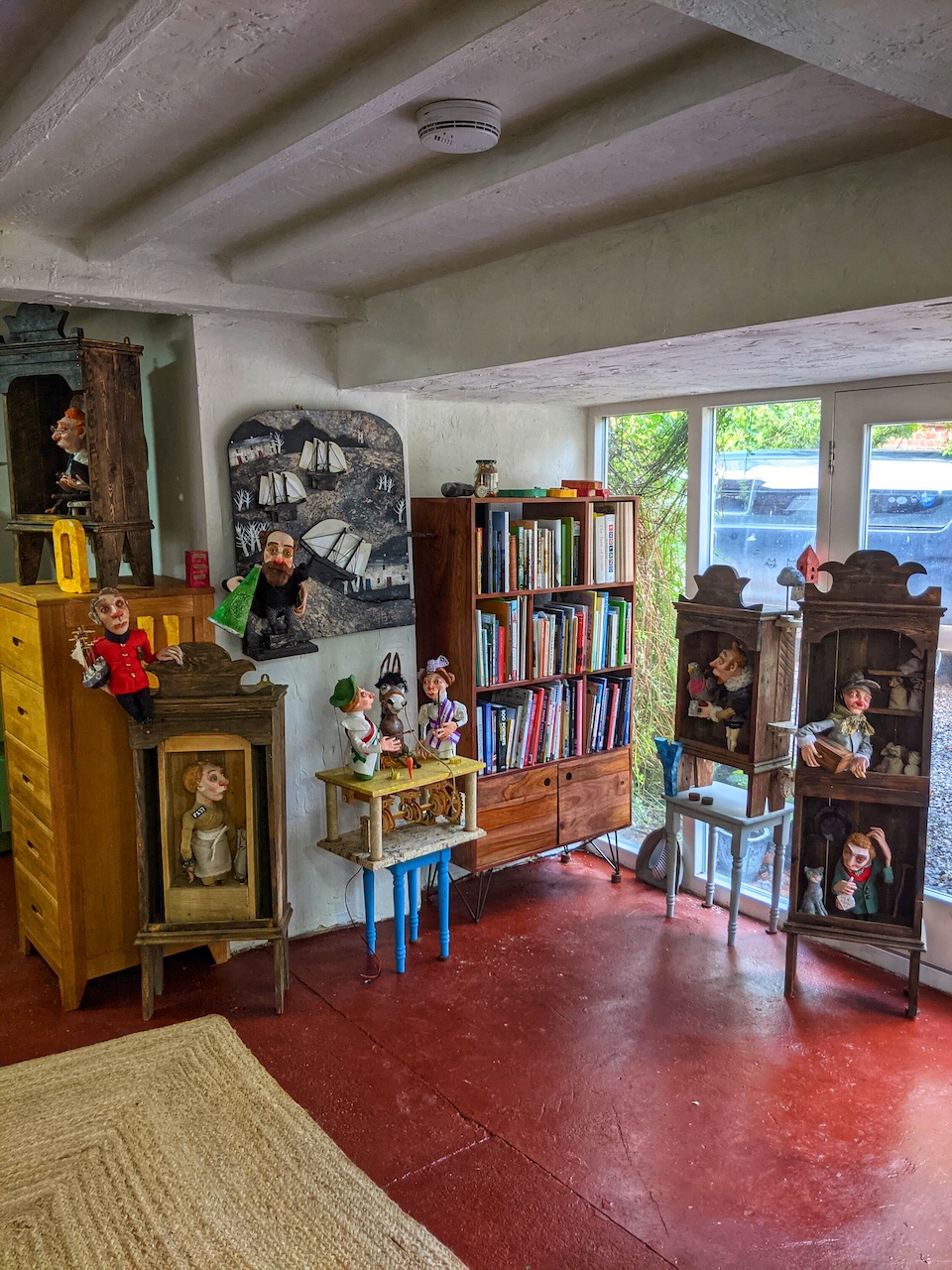
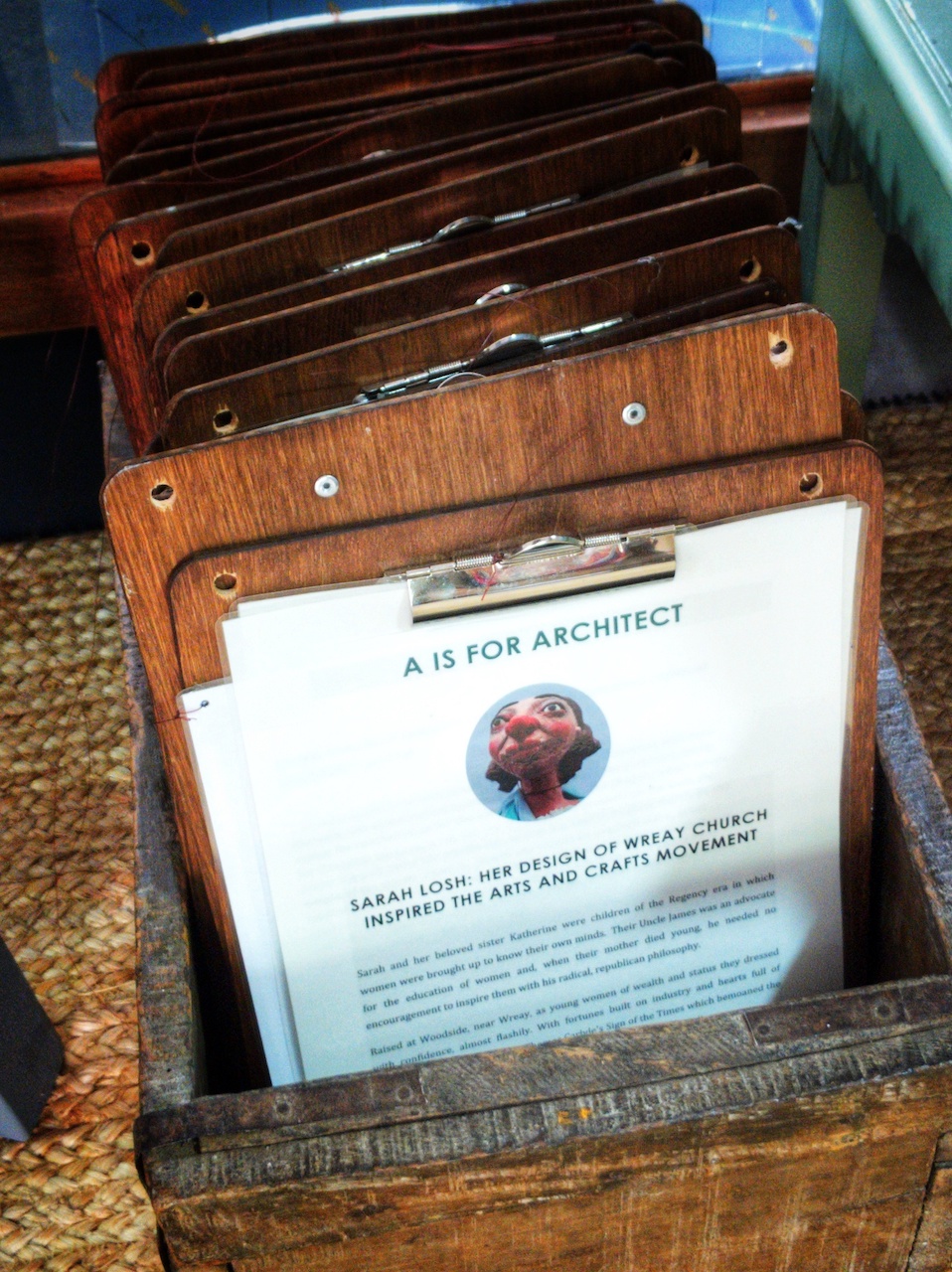
The Anthology will remember 26 characters, each with a connection to the landscapes bound within the River Eden’s watershed, thus they tie into much broader aspects of cultural and natural history. I’ve been bringing together fact, legend, history, and myth in my work for far longer and in making boxes and sculpture, my aim is not only to describe or collate local history, but to communicate and recreate the past in a way that acknowledges the importance of our shared stories.
These stories are vitally important in understanding who we are today and I think, provide the foundations for understanding one’s place in the world – prompting those within and of it to think more deeply about what came before and why things are as they are.
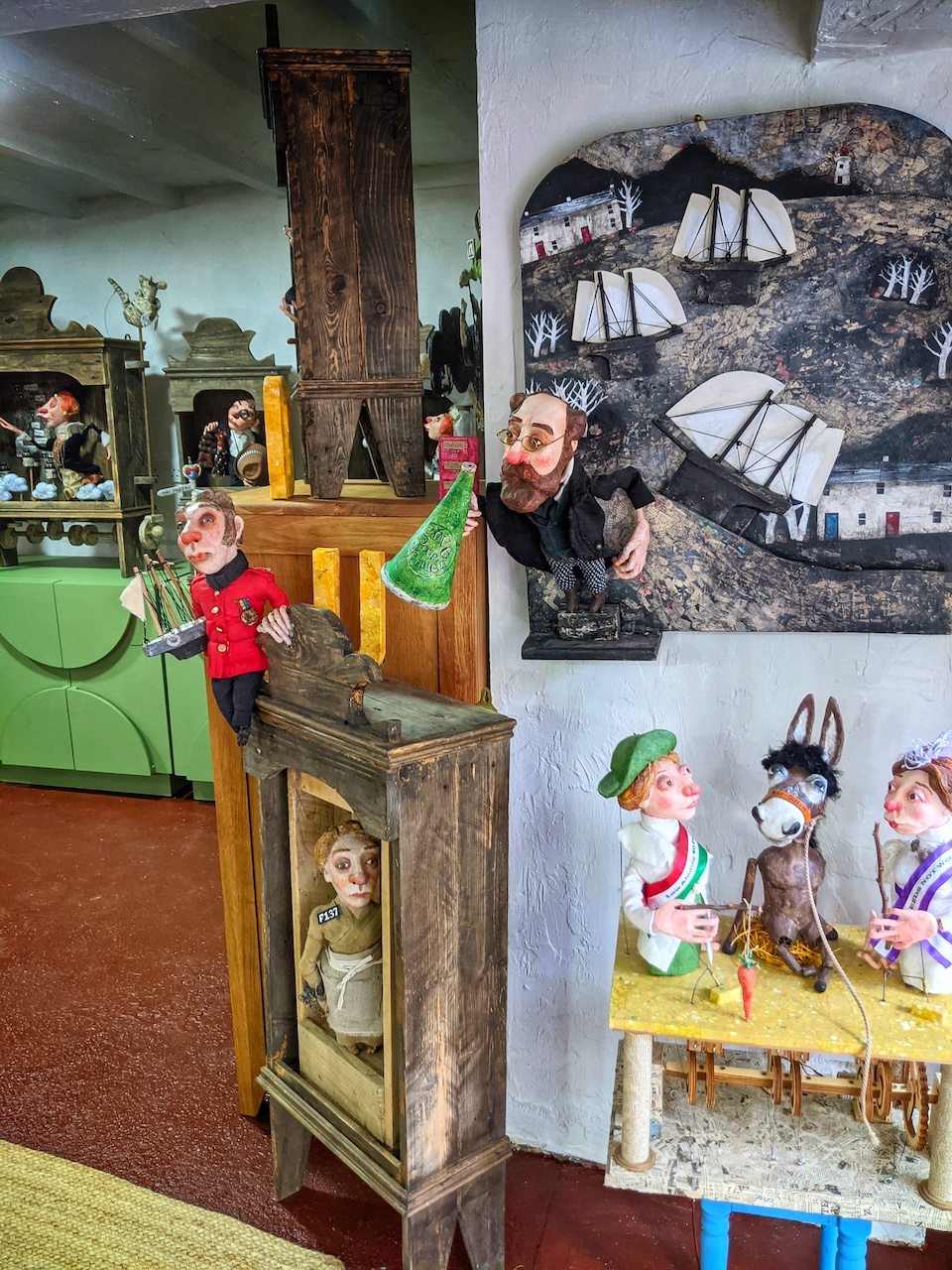

The creative process begins through exploring each character’s history, using a variety of sources, often archival, to build an understanding of their life and history. Then, I make objects which collapse these pasts and presents: interpreting and representing the stories through interwoven myth, metaphor, and anecdote. I think it is important to know and understand what is fact and what is not, and to value original sources but the role of an artist is to stimulate debate.

Looking back, I’ve always been interested in the relationship between landscape and the people that inhabit, affect, and are affected by it. I’m also a keen observer of people and I love drawing (and making) them. Both aspects come together in the Anthology. Growing up in the mid-70s, in a farming family on the ‘edgeland’ between town and country in the East Midlands, my childhood was rooted in a landscape where contested visions of land and place were under perpetual negotiation, resulting in a fluid and changing countryside. The pace of change seems to have accelerated of late and today is very evident part in our Cumbrian towns and villages too. Such development often seems inevitable to modernity and the increasing needs and wants it brings. Yet, even among such go go go, I think it remains (and indeed arguably becomes even more) important for us to pause and think about what we value and which things we might seek to preserve and conserve, before they risk disappearing altogether.

The American naturalist, poet, and philosopher, Henry David Thoreau, in one of his most famous essays about the benefits of being immersed in nature, laments the encroachment of private ownership upon the wilderness:
There is in fact a sort of harmony discoverable between the capabilities of the landscape within a circle of ten miles’ radius, or the limits of an afternoon walk, and the threescore years and ten of human life. It will never become quite familiar to you.
I’ve always felt a need to locate myself in place and to do so alongside others with whom I share and jointly understand it. The Eden Valley is a particularly meaningful and authentic location, shaped by its strong communities, past and present. While change happens, it is important not to lose the possibilities of feeling and belonging that Cumbria offers, while at the same time ensuring it is an inclusive and accepting county that welcomes and offers home and sanctuary to all seeking it. If we lose sight of the people who have gone before and cover over the layers and textures of these landscapes, we stand to foster a consequent impoverishment of spirit. My mission is to quietly resist this, inspiring more people to feel, encounter and be moved by the magic of place, fostering deeper understandings.
- Follow Dawn on Instagram – @dawnhurtonartist
