
I mentioned in a previous post how the poet WH Auden loved the natural beauty and remoteness of the North Pennines and how the area has been worked and reworked since prehistoric times, through antiquity and the Middle Ages into the industrial era. The industrial relics of the lead mines haunted him:
The men are dead who used to walk these dales;
The mines they worked in once are long forsaken…
Dead men, they say, sleep very soundly, nought
Remaineth as a mark to signify
The men they were, the things they did, not aught
That this unheeding world might know them by.
Yet – I have stood by their deserted shafts
Whilst rain lashed my face, and clutched my knees
And seemed to hear their careless laughs…
Rookhope, Weardale (Summer, 1922) WH Auden
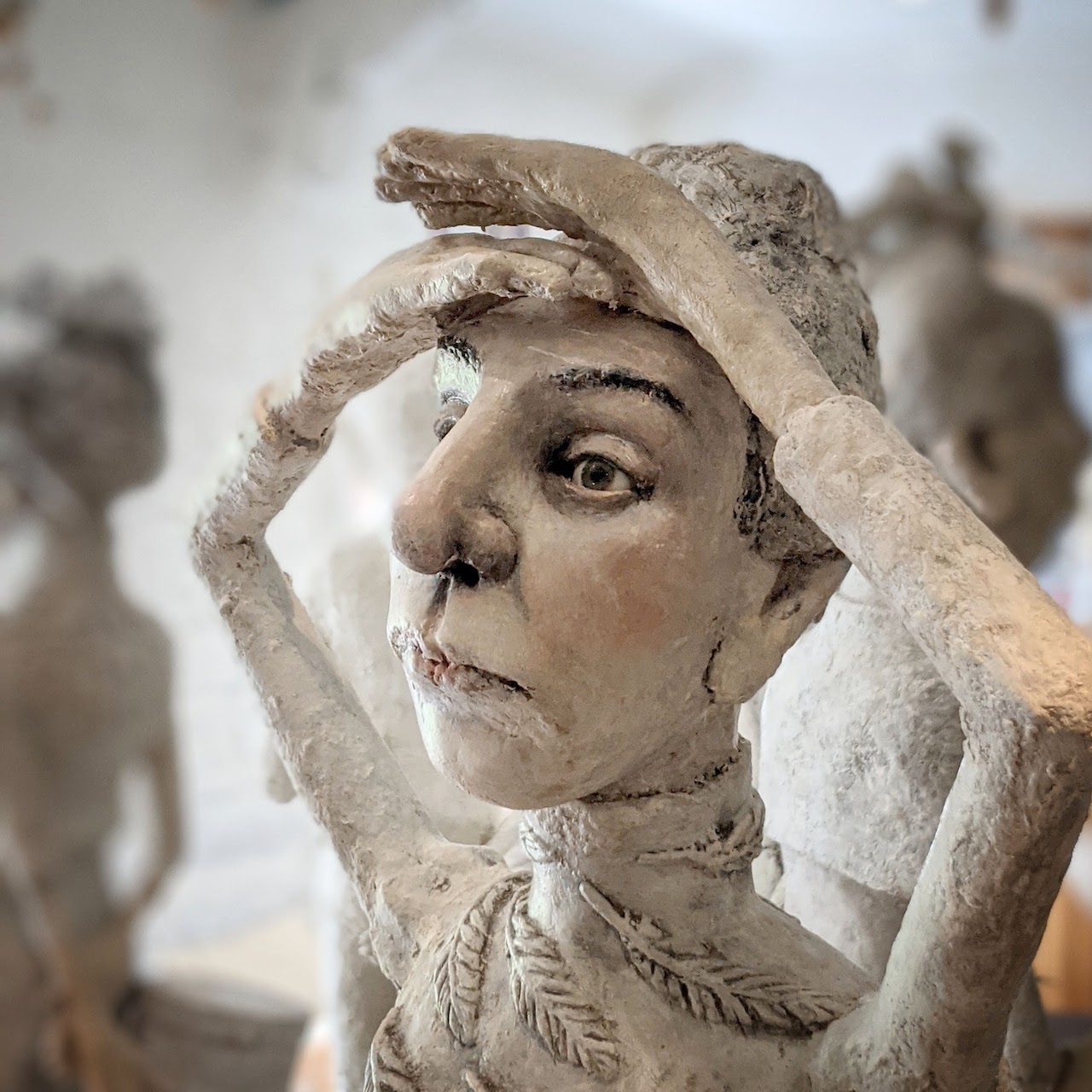
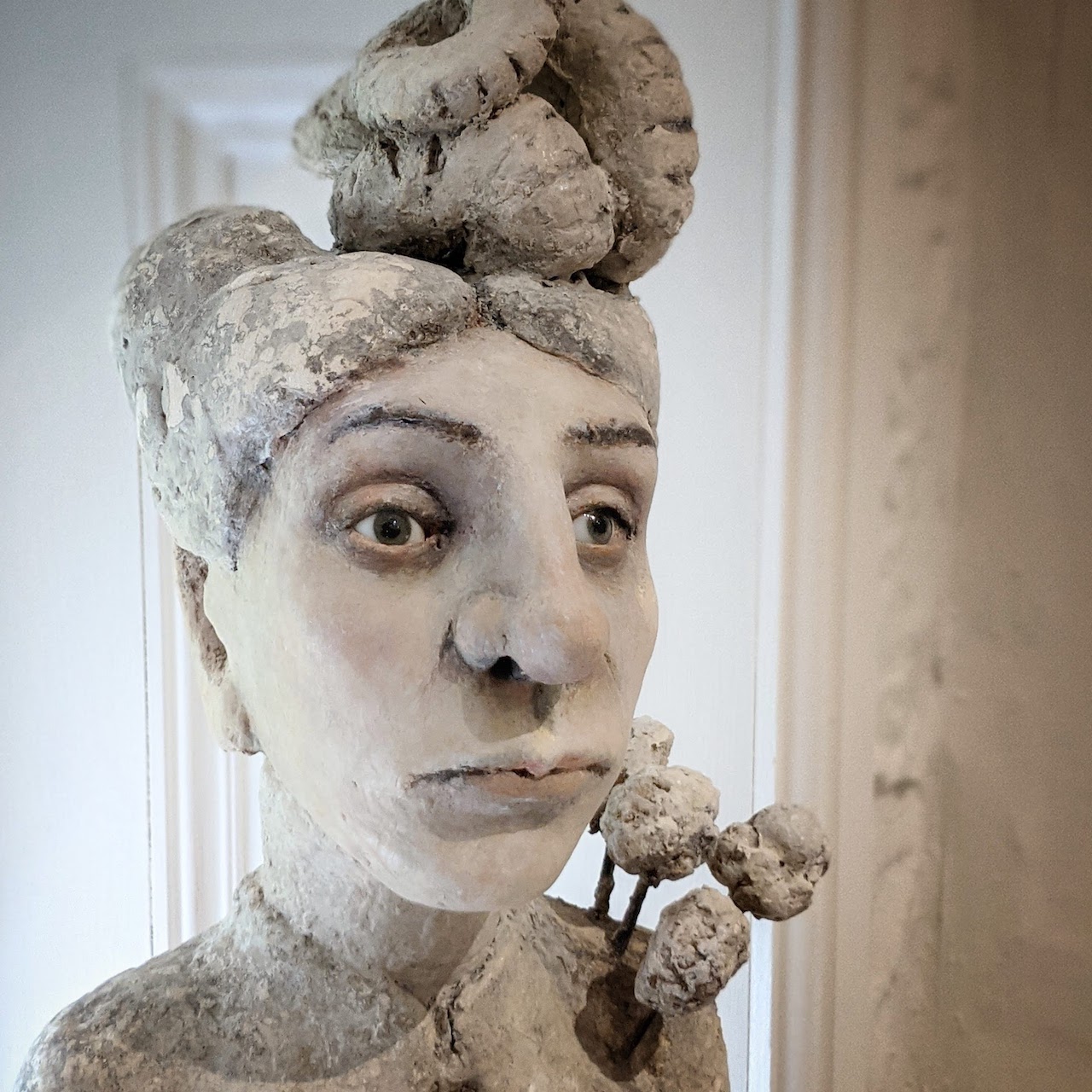
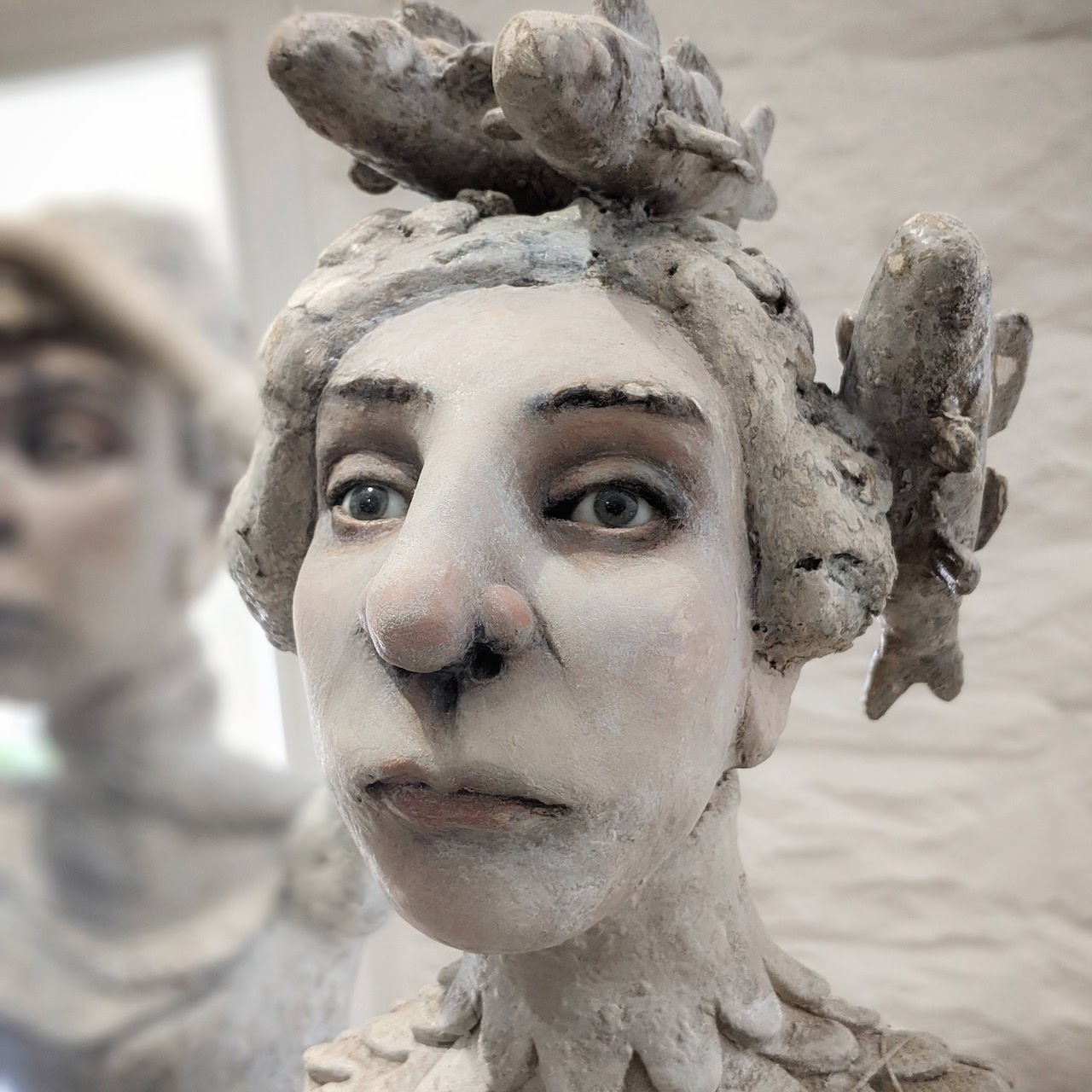
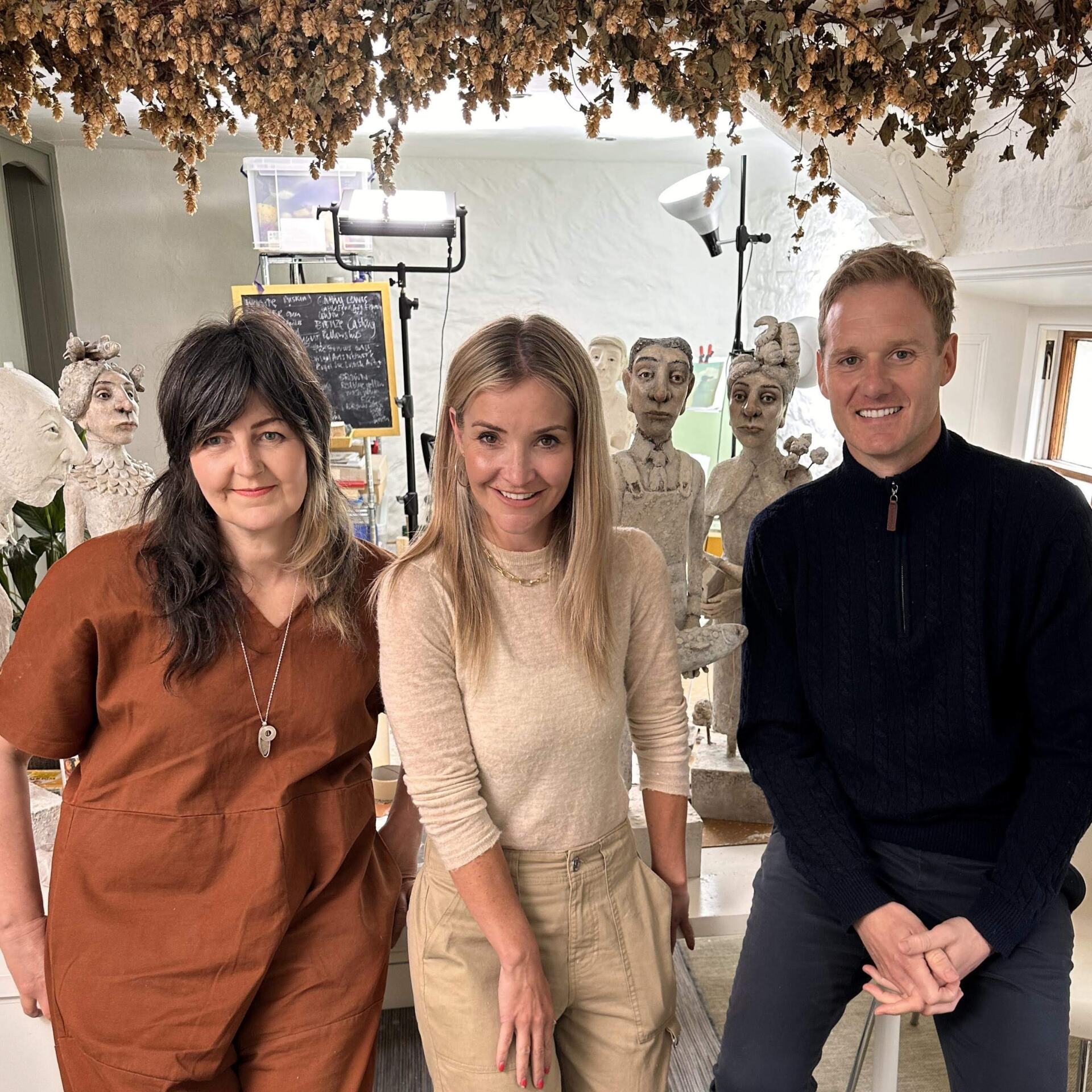
My new body of work is progressing and I listen out for these voices in the landscape on my daily walks. This month Dan Walker and Helen Skelton paid a visit to my studio to find out more about the local mining heritage and to do some filming as part of their four-part series starting on Channel 5 on Tuesday, August 15 at 9 pm. Travelling from near Dan’s home in Sheffield to Helen’s in Cumbria, they are exploring the stunning countryside in search of ‘hidden gems’ along the ‘backbone of Britain’.

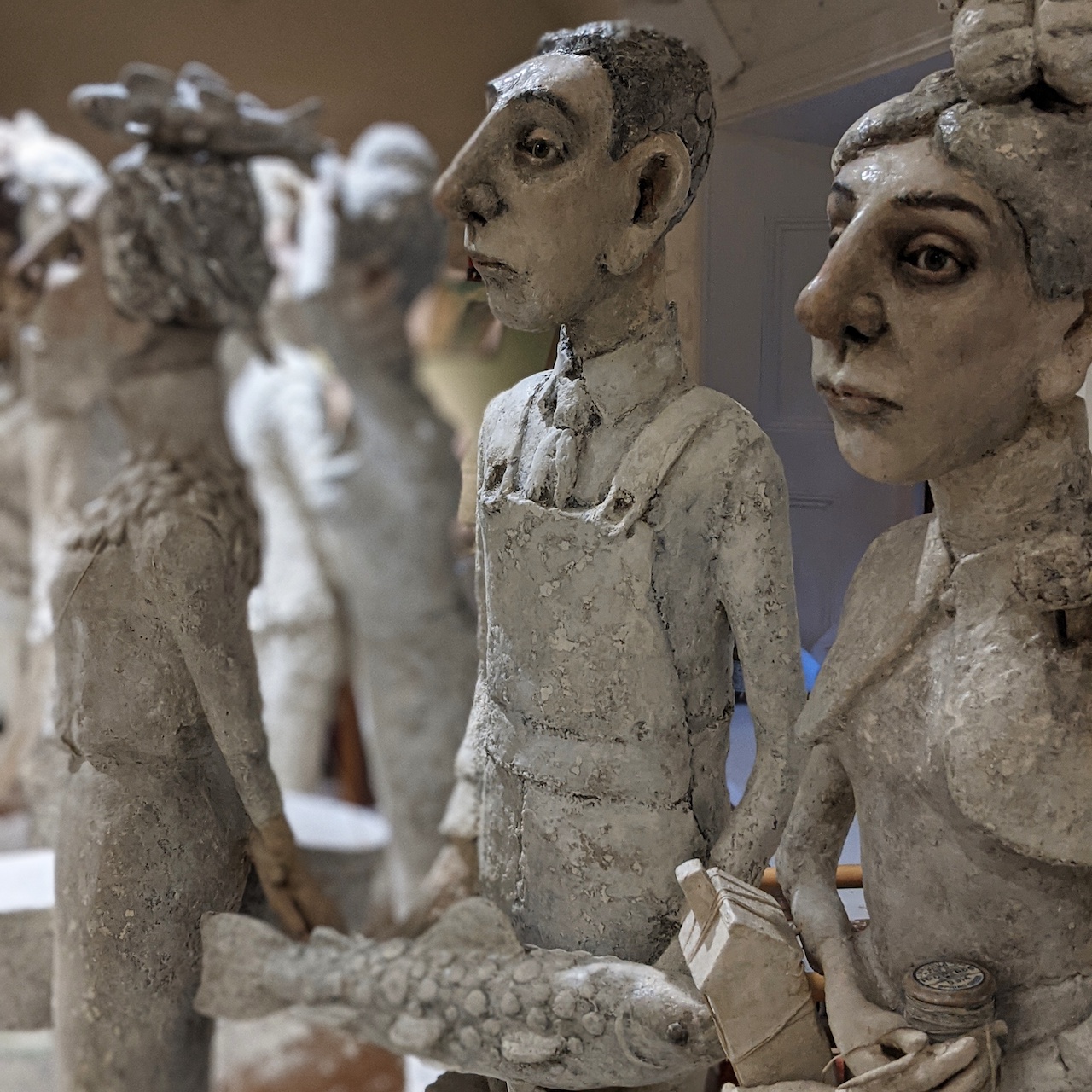
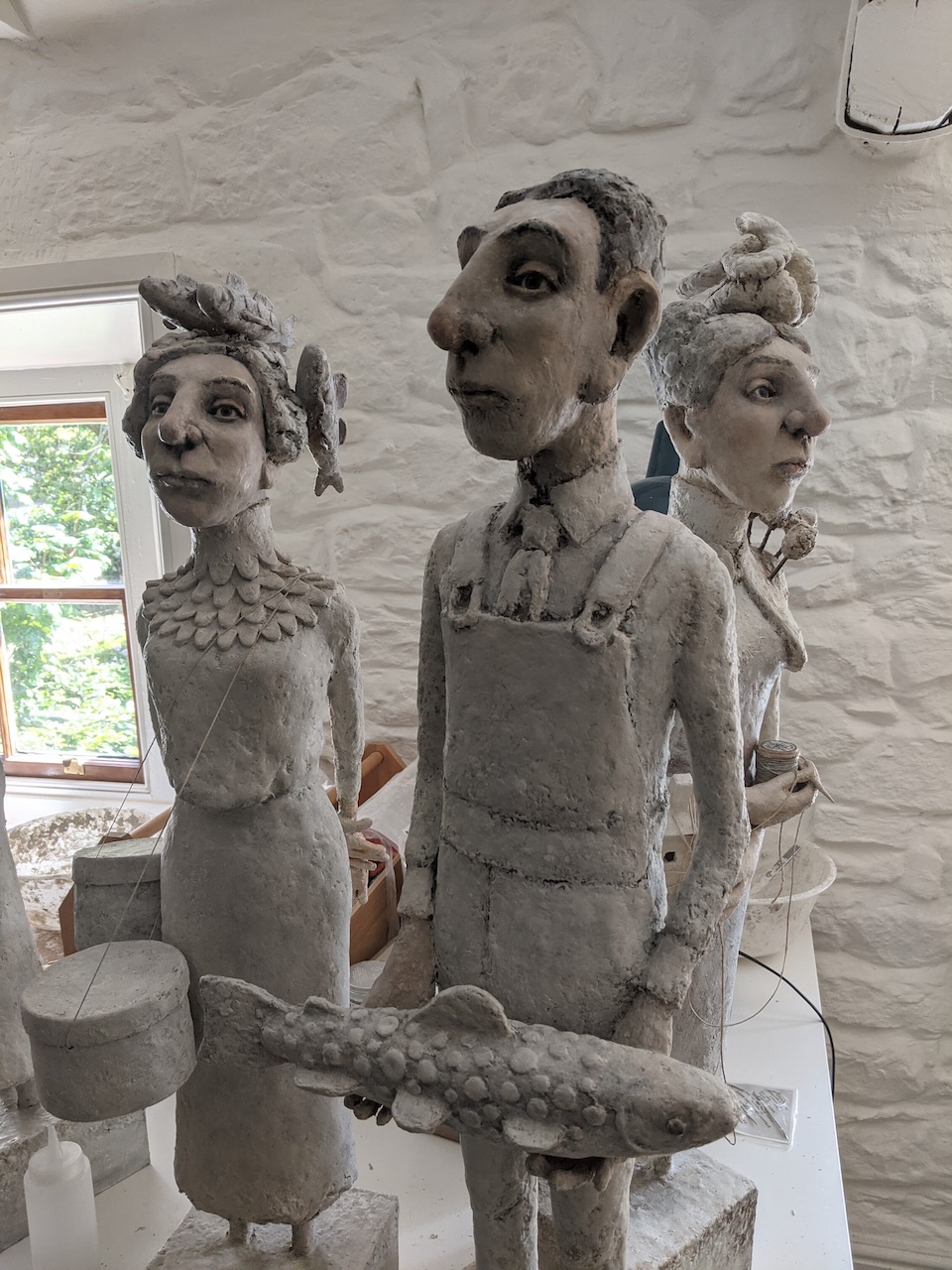
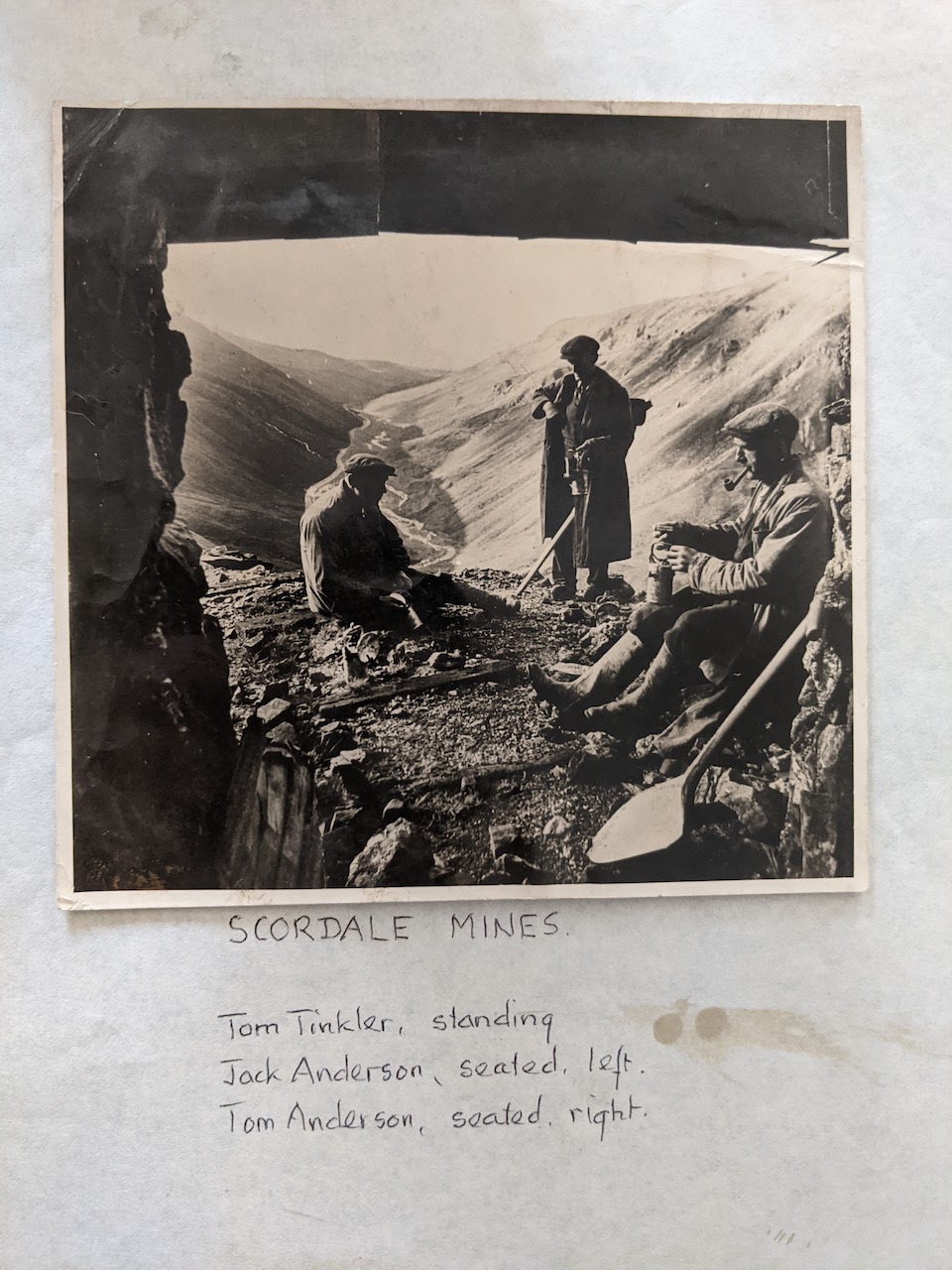
One of my new sculptures is about Tommy Tinkler who worked in the Dufton mines as a young boy. Tommy started at the White Lead Mines at Murton around 1905, working on the dressing floor or operating the bellows in the smithy and rarely went underground but heard stories the miners told about huge veins of pure white barytes and gleaming lead. Nearly 30 years later he repeated the information to his future boss, William Wharton who was also convinced there was an immense source of untapped mineral in Scordale. William went on to open a mine there and it is quite a story made all the more painful for those involved by the outbreak of World War 2.
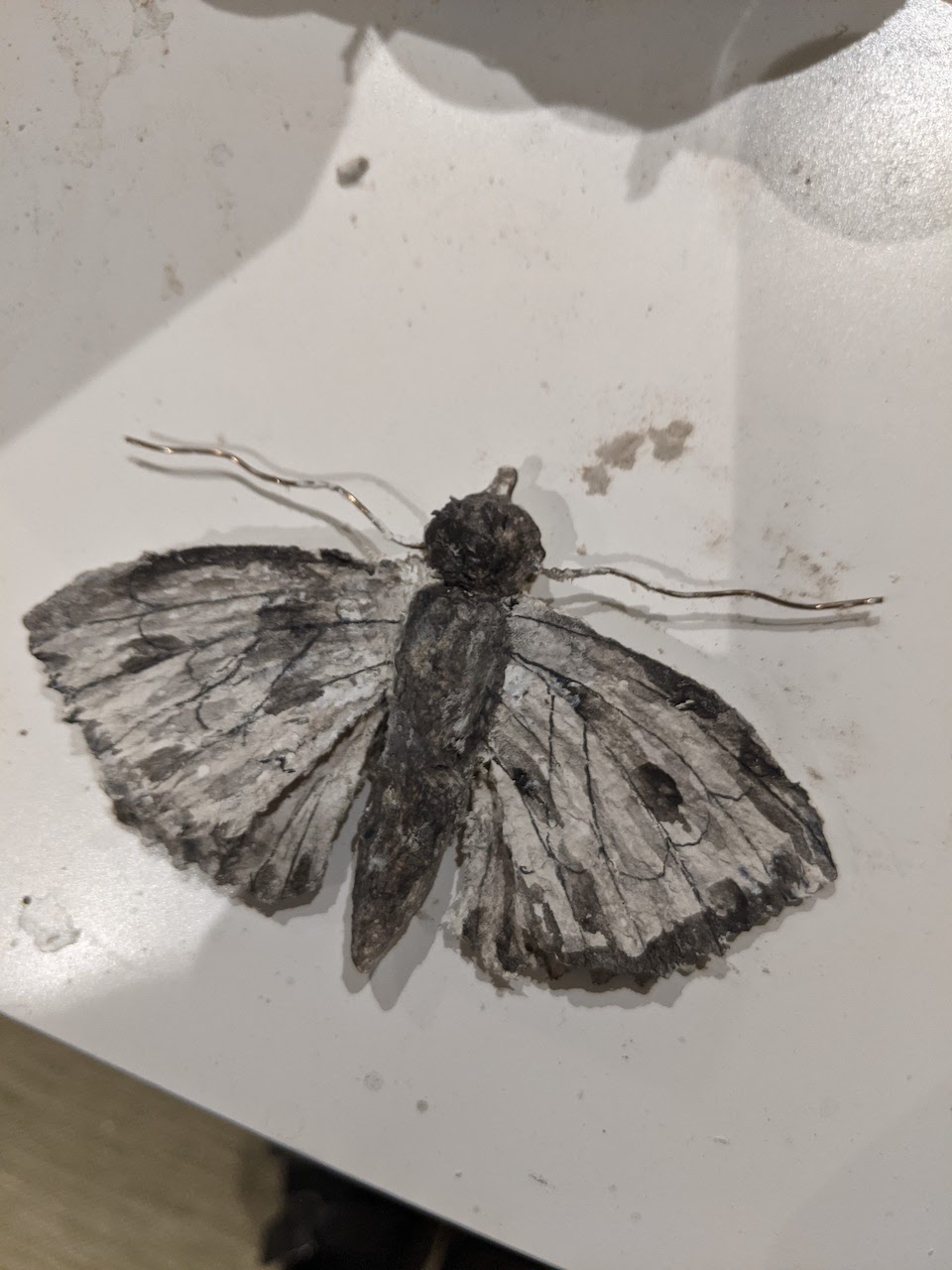
After such a long history of extraction from the land, I love how some endangered species such as bats and butterflies are taking refuge in the now abandoned mines. Colonies of bats and endangered butterflies spend the cold winter months in them. While the tissue moth is becoming rare in the north of England, the greatest concentration of adult tissue moths on record was recently found in some of these abandoned local mines. Dan and Helen each made a tissue moth with me and I wonder whether our morning’s work made the final cut. If you would like to find out, I recommend you watch the fourth and final programme in the series.
