

Usually, my daily walk takes me out of the village of Dufton, up onto the fells of the North Pennines. One day this week, I started instead from Hilton, and headed up Scordale in search of a yellow mineral I want to use to make some pigment. Still occupied with place and local history, I’m currently working on the story of William Wharton who once owned barytes mines in the area. William was the grandfather of my good friend Ruth who draws the Cumbrian landscape as the basis for her studio work where she makes evocative prints and paintings: www.ruth-wharton.co.uk . Ruth and I are working together to record the landscape and lives of the north Pennines.
Unlike copper, lead, iron and coal, which have been mined for centuries in Cumbria, barytes has only been mined as a commercial product in more recent years. When the London Lead Company moved into Dufton in the mid-18th century, the white ore was not of any value so it was discarded onto the waste tips alongside calcite, quartz, and other gangue minerals. However, attitudes changed when it was found to have use as a filler in the paint and plastics industries and in countless other applications – from building trucks, to drilling for oil, refining sugar, or carrying out medical scans.
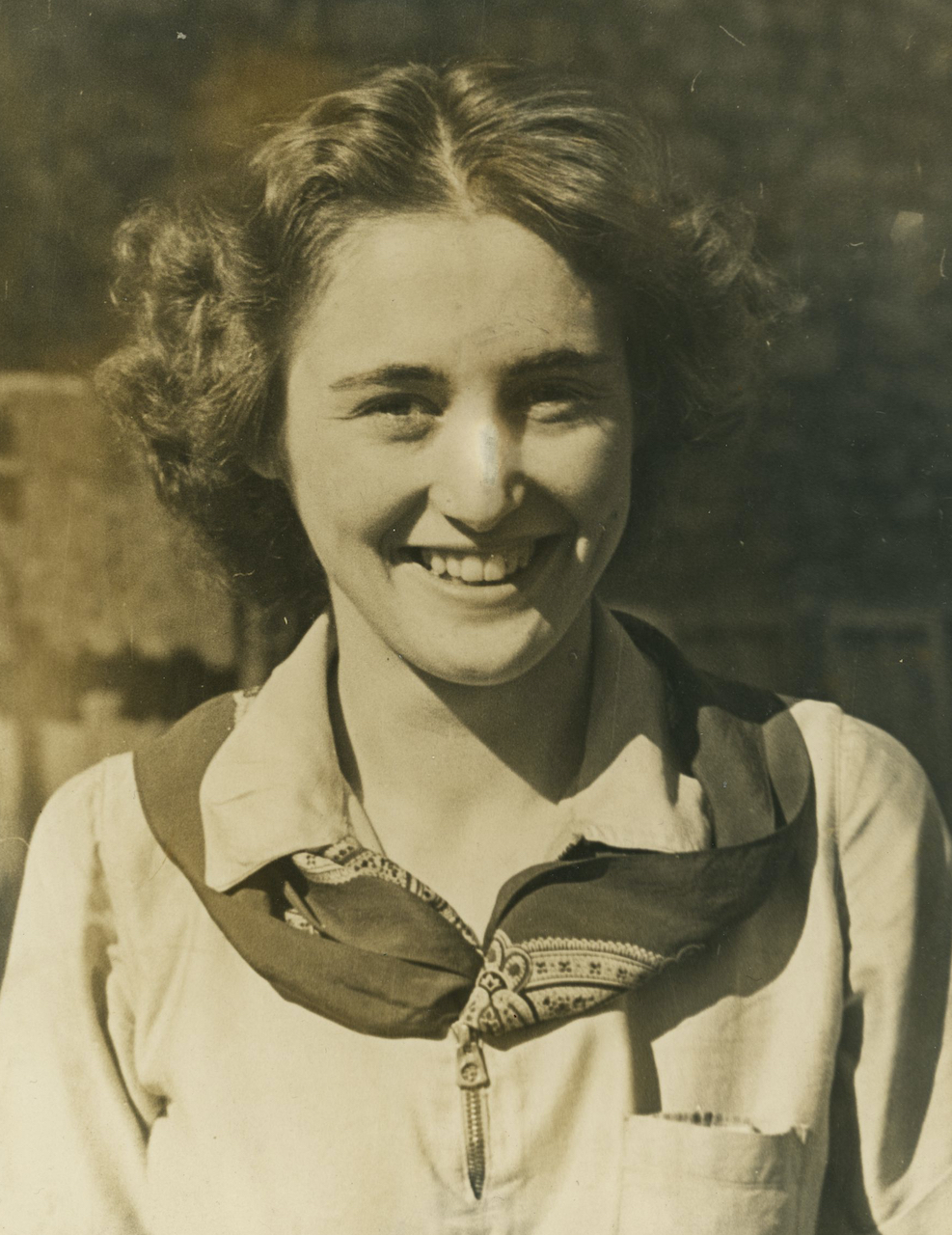
So, in 1920 after William had returned from the Great War, when he saw an opportunity to acquire the mining rights for Scordale, he wasted no time in doing so. He would cycle to the mine office at the foot of Dowscar from his home in Kirkby Stephen each Sunday evening to live on the fell until Friday, where, according to his daughter Dot, he survived on trout and rabbit. The work was hard and the profit small, meaning the earnings from Ruth’s grandmother Elsie’s hairdressing business made up an essential part of the family’s income.
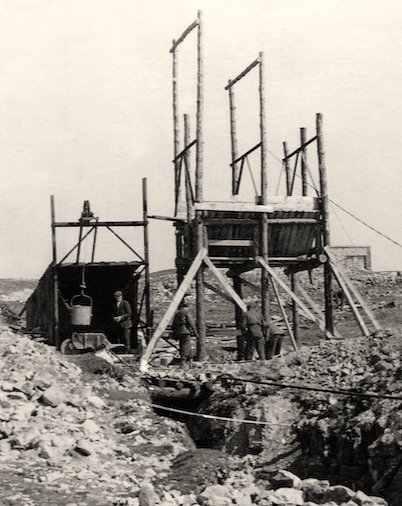
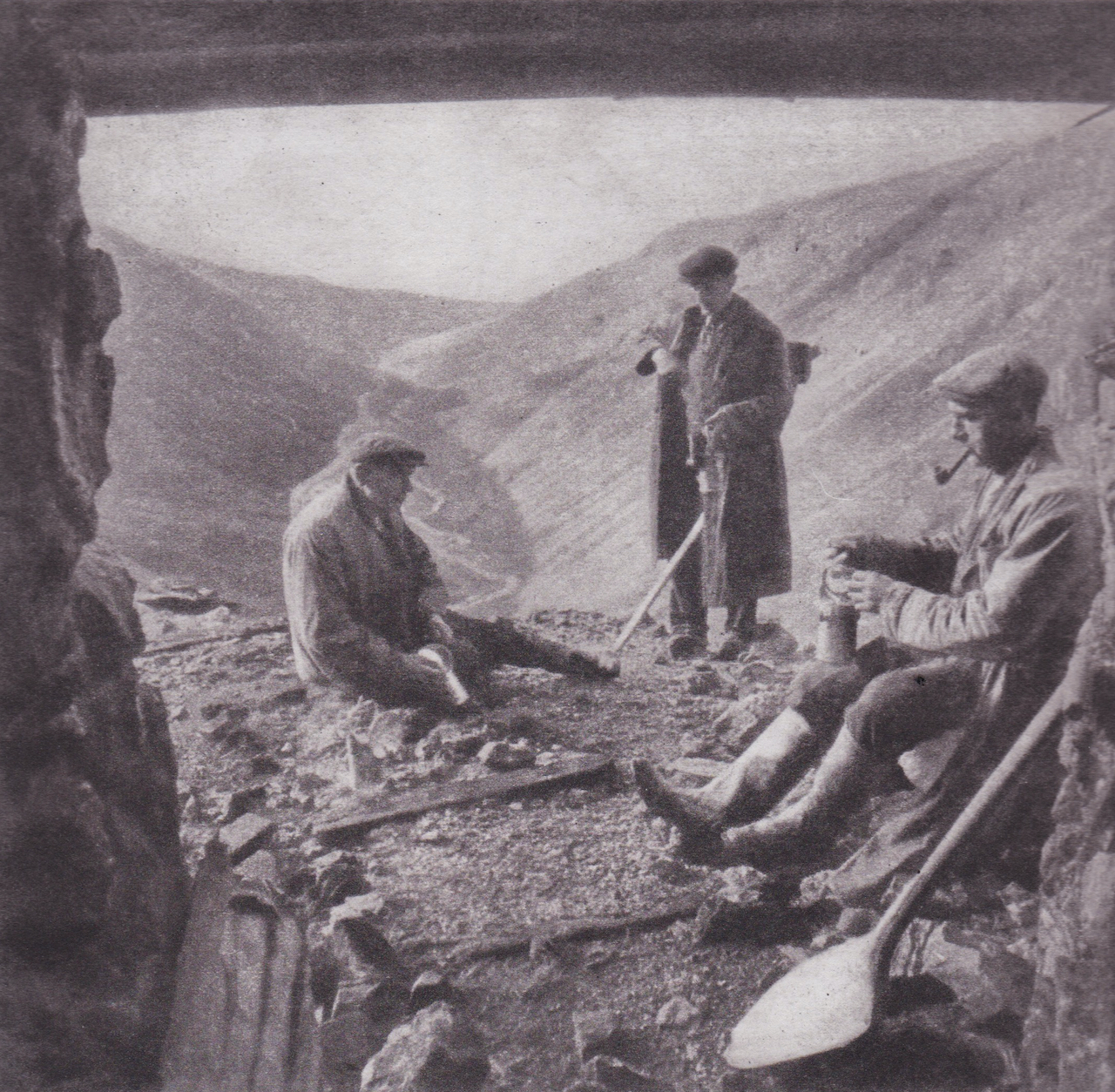
As the Second World War approached, the price of barytes increased steeply and William saw another opportunity in a mine on Long Fell. He built his own access road from the A66 and added three 7-ton Guy trucks, two compressors, and a team of forty men to his capital assets, but too soon the enterprise became a source of conflict. The Ministry of Defence wanted to close the mine so the land could be used as a training area while the Ministry of Supplies was keen for the barytes extraction to continue, so that the mineral could be used for painting warships. Eventually a deal was struck allowing the miners to access to the mine in the morning, provided they remained underground throughout the working day. For some real insight into what such a life was like, take a look at this British Pathe film. Made in 1949, it features not only the miners but also Ruth’s mother Dot, driving her truck.
Standing in Scordale, where the wind speed averages 50 to 60 mph, you can begin to imagine William, Dot, and the others at work. The landscape bears the mark of them and the lead miners before, with the levels driven into the fellside intersecting the veins of minerals. They were linked internally by a series of shafts and ladderways so men could move between them. The North Pennines is undeniably beautiful, but it is far from a ‘natural’ landscape. Much of this seeming ‘wilderness’ has in fact already been claimed by those of the past. They inhabited this place long before us – their stories are carved deep into the land – and they pose complex and interesting questions about humanity, nature, and the relationship between the two that are surely vital in finding a sustainable path onwards.
Follow Dawn on Instagram – @dawnhurtonartist
- Main photo courtesy of Ruth Wharton
