Living in the heart of Cumbria, you can become quite complacent about what this amazing county has to offer – and miss out on the great places and experiences visitors can enjoy. This is why we have a resolution for 2019 to view our home as visitors would, so we can share what’s great about Cumbria.
Invitation to Sizergh from Mrs Cecilia Stickland
So to receive an invitation from the National Trust to spend a day at Sizergh Castle and Gardens was just the ticket – and we have discovered a new favourite place to spend our precious free time.

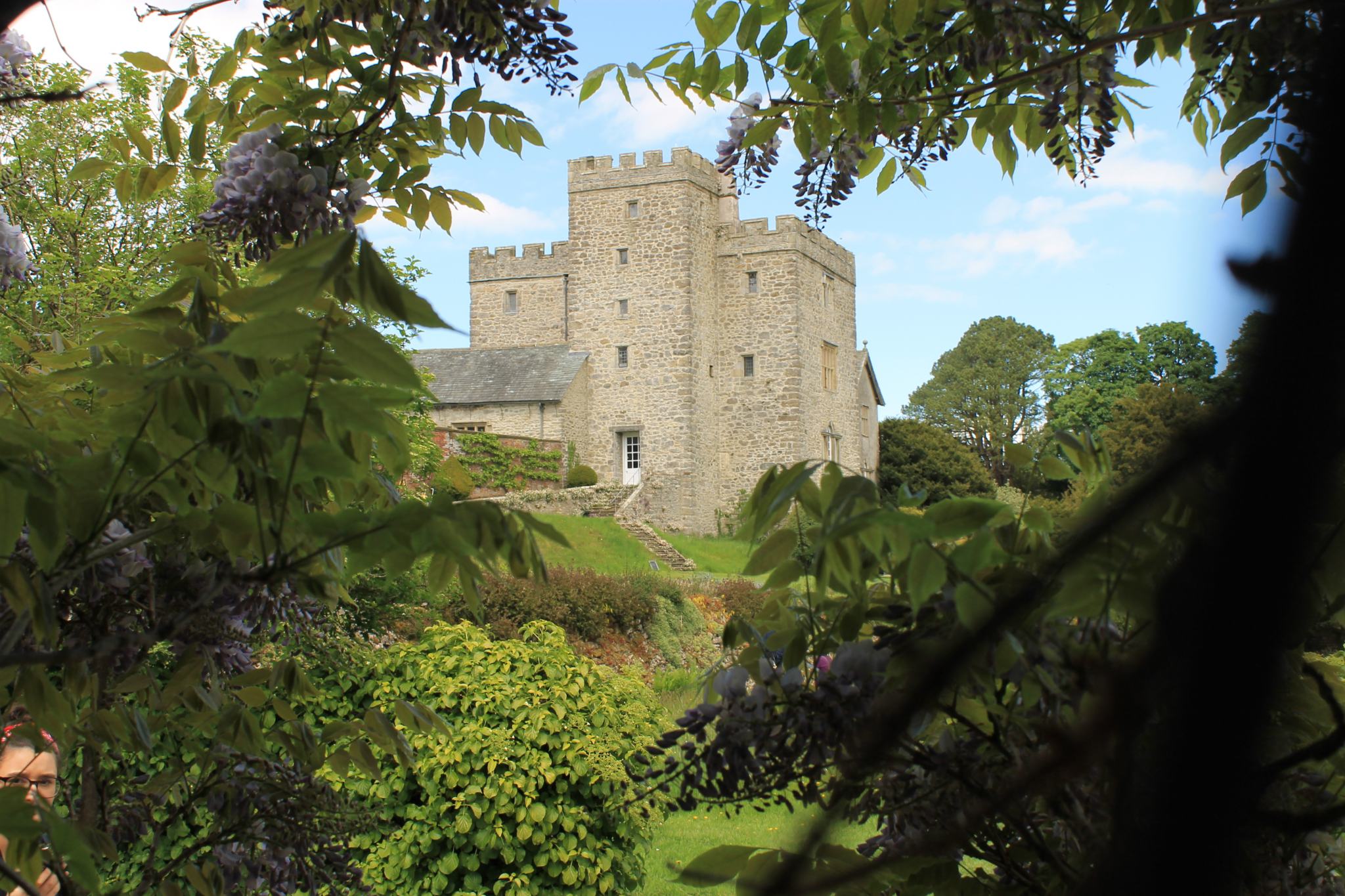
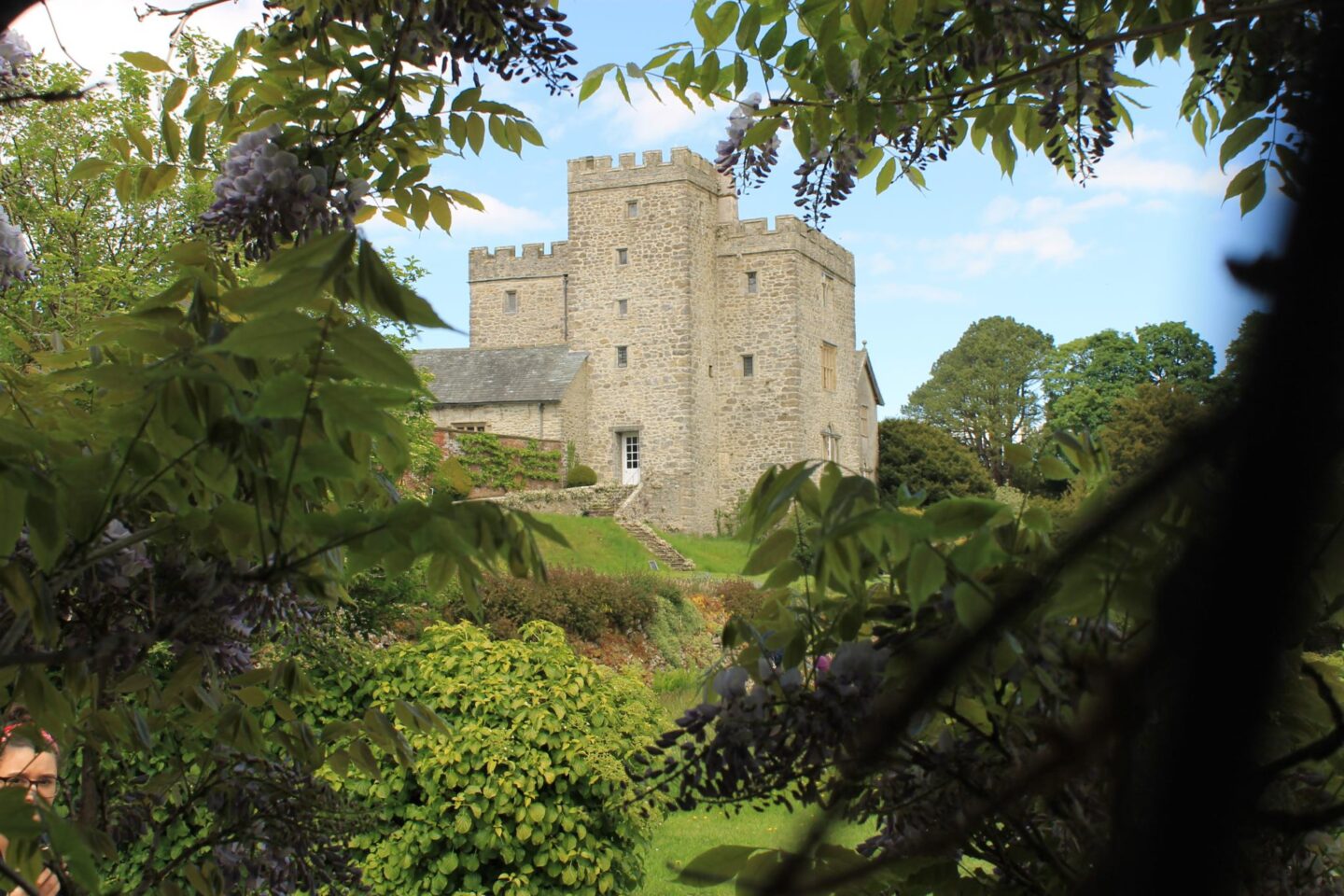
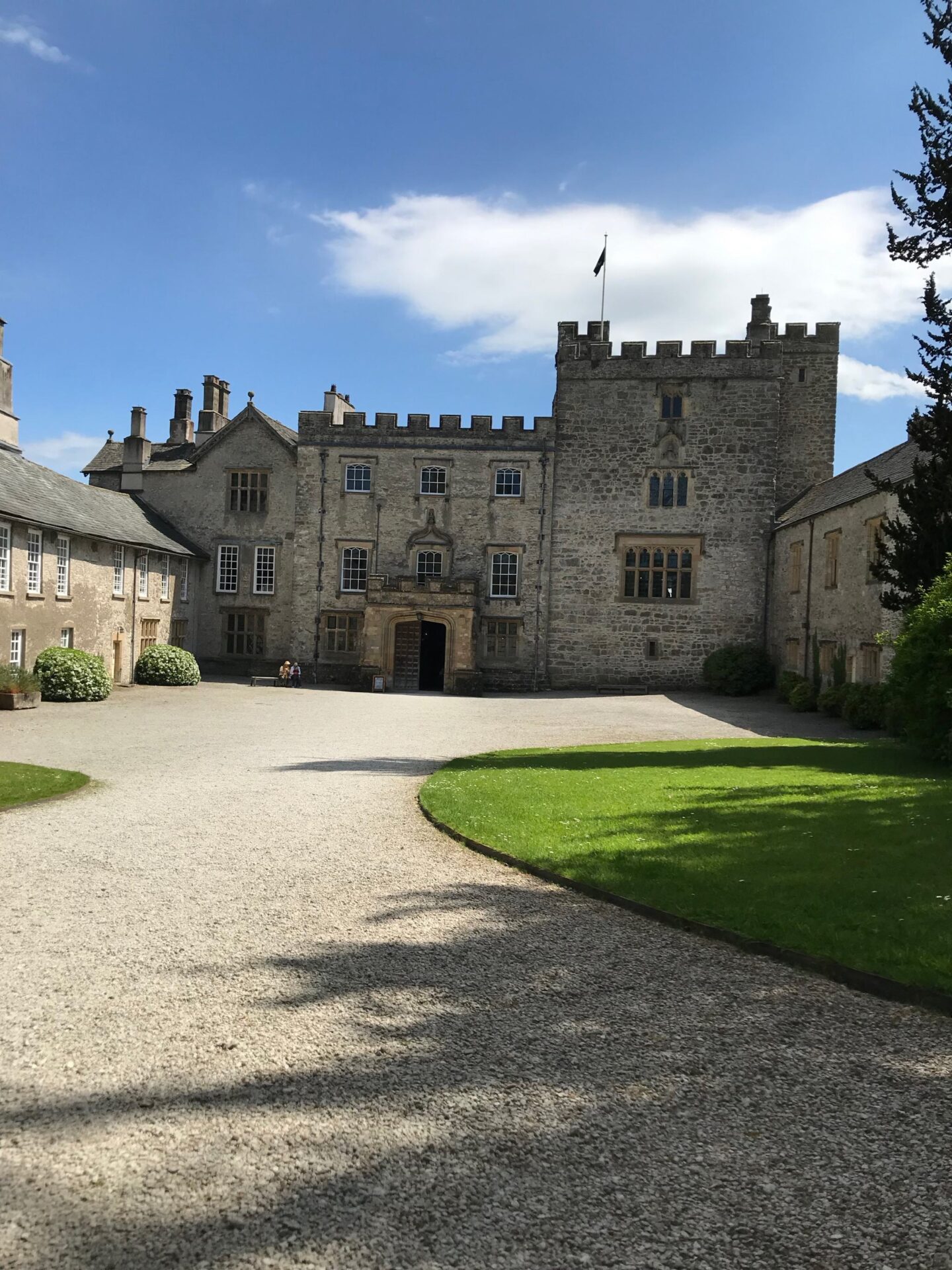
Sizergh Castle is hidden from the road, just off the M6 at junction 36, taking the Barrow turning off the A590 towards Kendal. However, as you turn into the grounds, just past the Strickland Arms you get a stunning first glimpse of this family home.
Stickland family home
The Strickland family have lived here since 1239. Today it is a National Trust property, however, it is still their family home, and you can feel the domestic setting as you walk around the hall. Family photographs amongst the impressive large portrait paintings by leading artists of the day.
We made the visit to Sizergh initially to see the James II bedspread which has been put on display in the castle – yet we found so much more to enjoy on our first of many visits we hope to make here.
Free garden tour
Though a Wednesday morning, during term time, we were surprised to see just how popular this National Trust property is. The well-landscaped car park was busy, and the shop and visitor centre was bustling. We were fortunate enough to have arrived just as the free garden tour was about to start, and Chris our volunteer guide was charming and very informative.
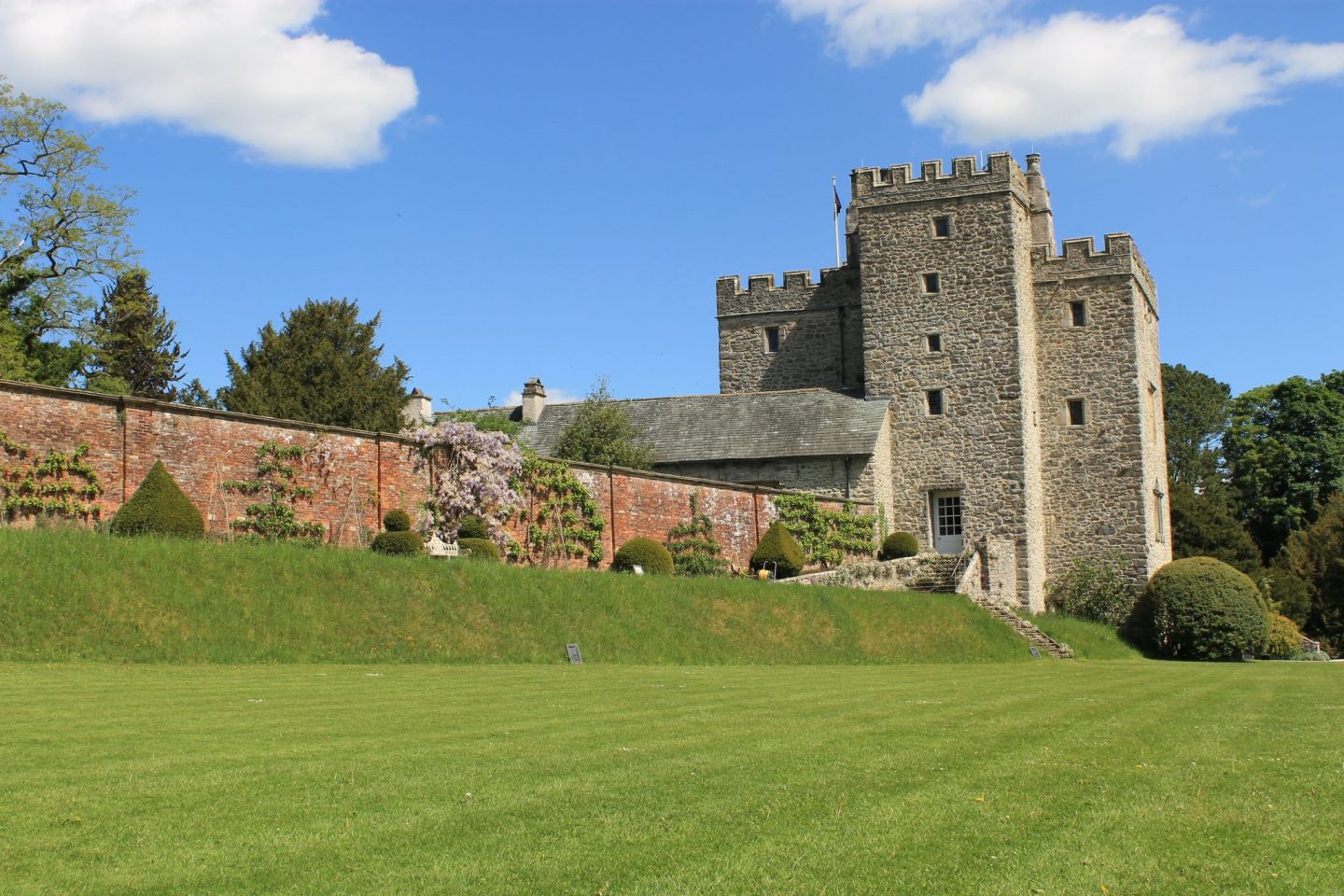
There is so much to see in the gardens that it was really helpful to have our guide. As we made our way to the crocket lawn at the front of the house, we discovered how the rose garden had been destroyed by homey fungus disease. Today it is planted with ornamental trees and a stunning avenue of yew.
Magical Mirror Lake
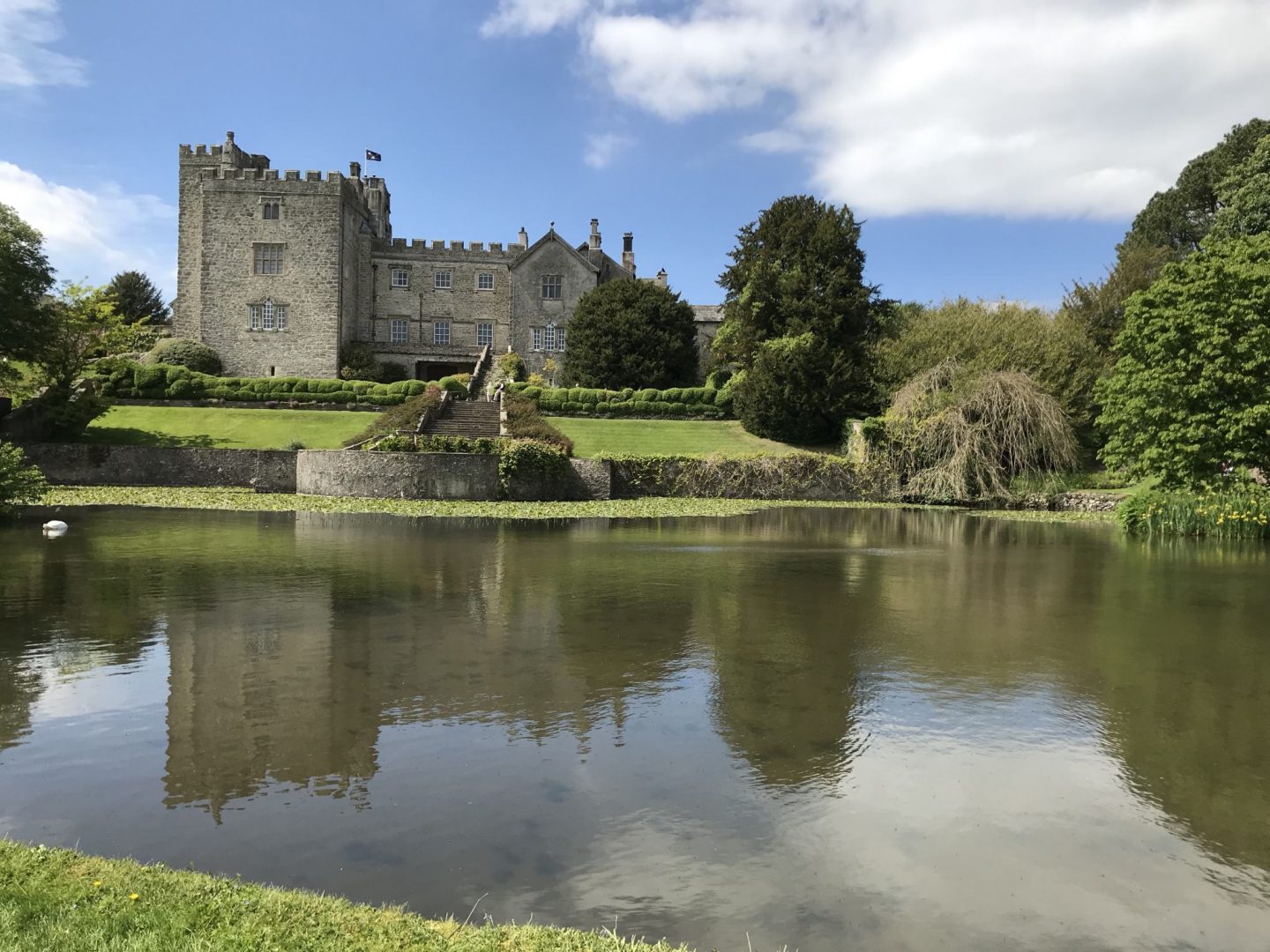
In the 1920s a raised Dutch garden was created at the same time as the stunning Mirror Lake, where you can view a perfect reflection of the castle in the water. Sadly the Dutch garden disappeared before the Castle was donated to the National Trust – yet you can still capture the image of the castle int he lake.
Kitchen garden supplying the cafe
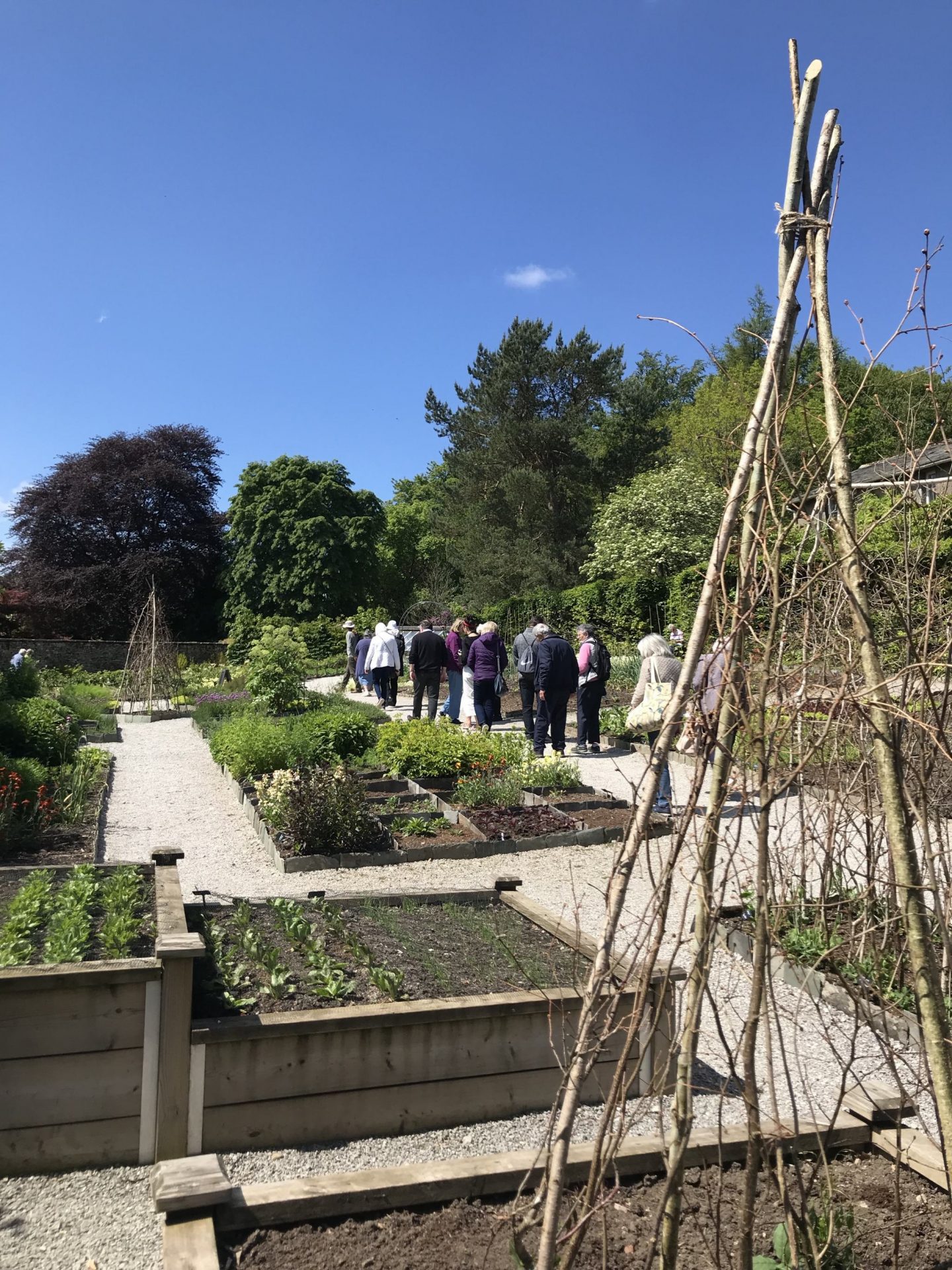
Also in the 1920s, Margaret Hulton created the limestone rock garden, which follows on from the very productive kitchen garden.

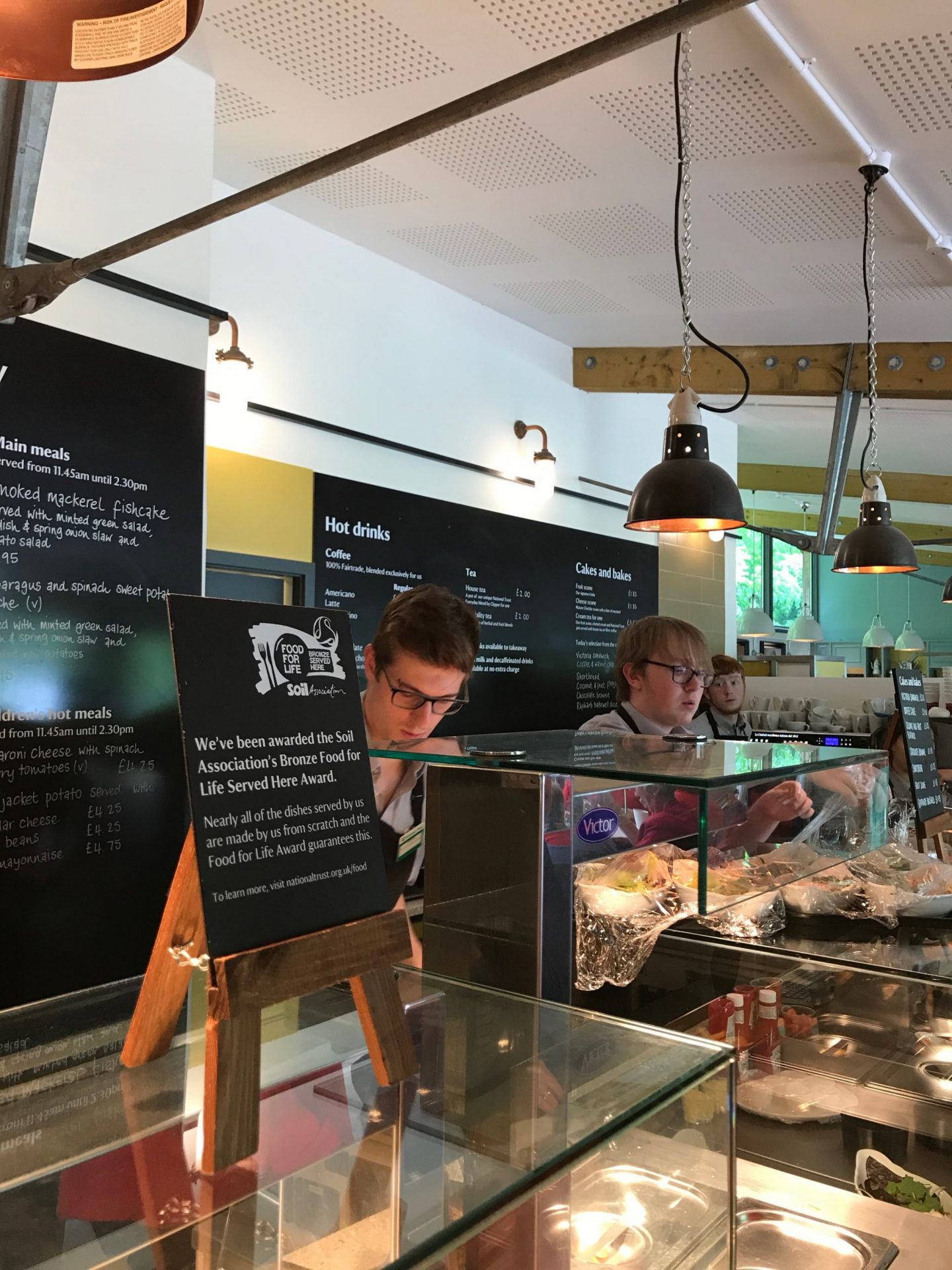
Here in the Kitchen Garden, seasonal fruit and vegetables supply the cafe, which has been awarded the Soil Association’s Bronze Food for Live Served Here Award – as nearly all of the dishes available on the menu are made from scratch in the kitchens on site and many of the ingredients from this stunning fruit and veg plot.
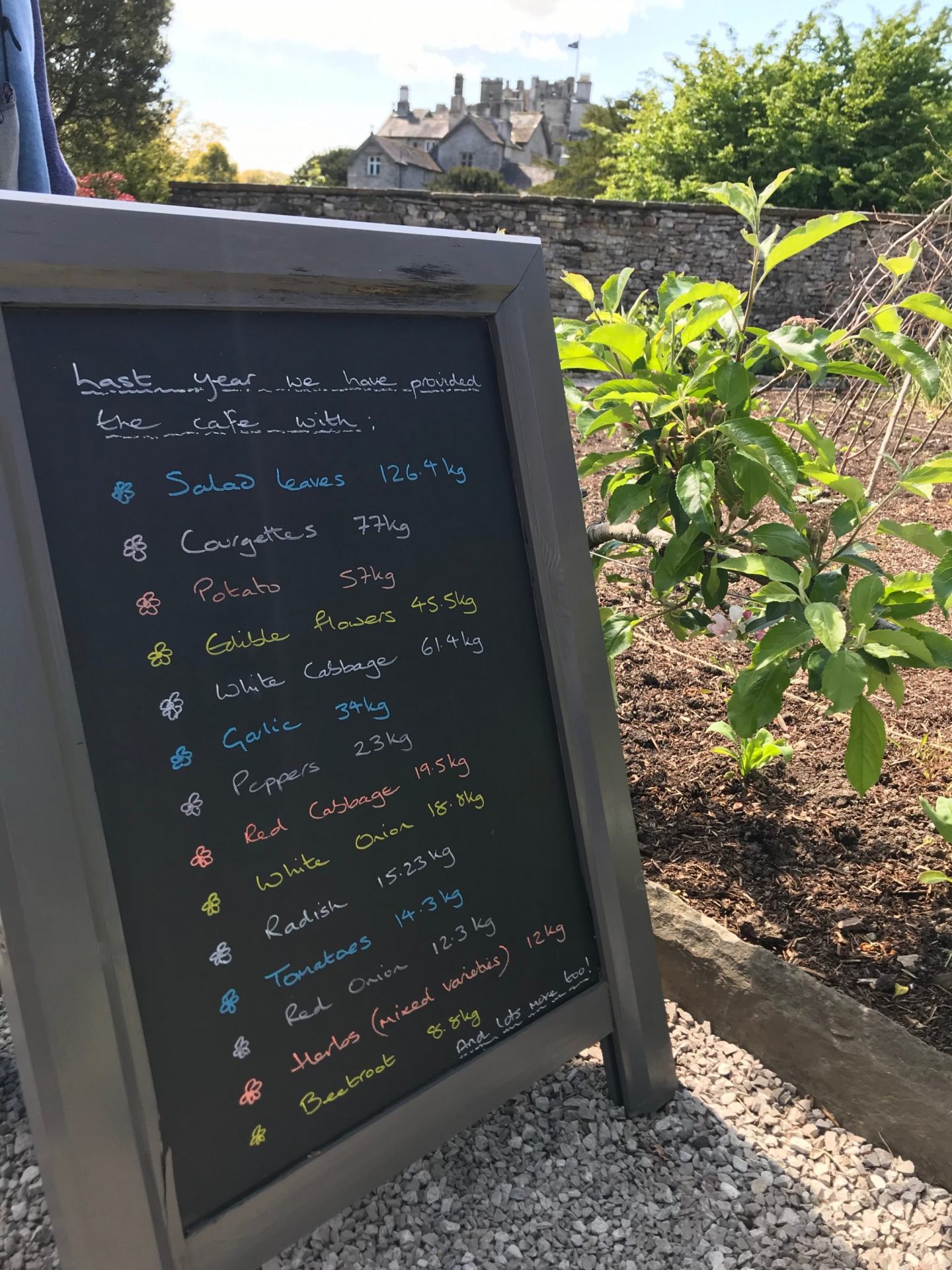
Last year the garden provided the cafe with 126.4kg of salad leaves, 45.5 kg of edible flowers, 34 kg of garlic and the amazing list of freshly harvested produce going straight to the plate continues with a full ‘shopping’ list in the food garden.
New ‘Stump garden’
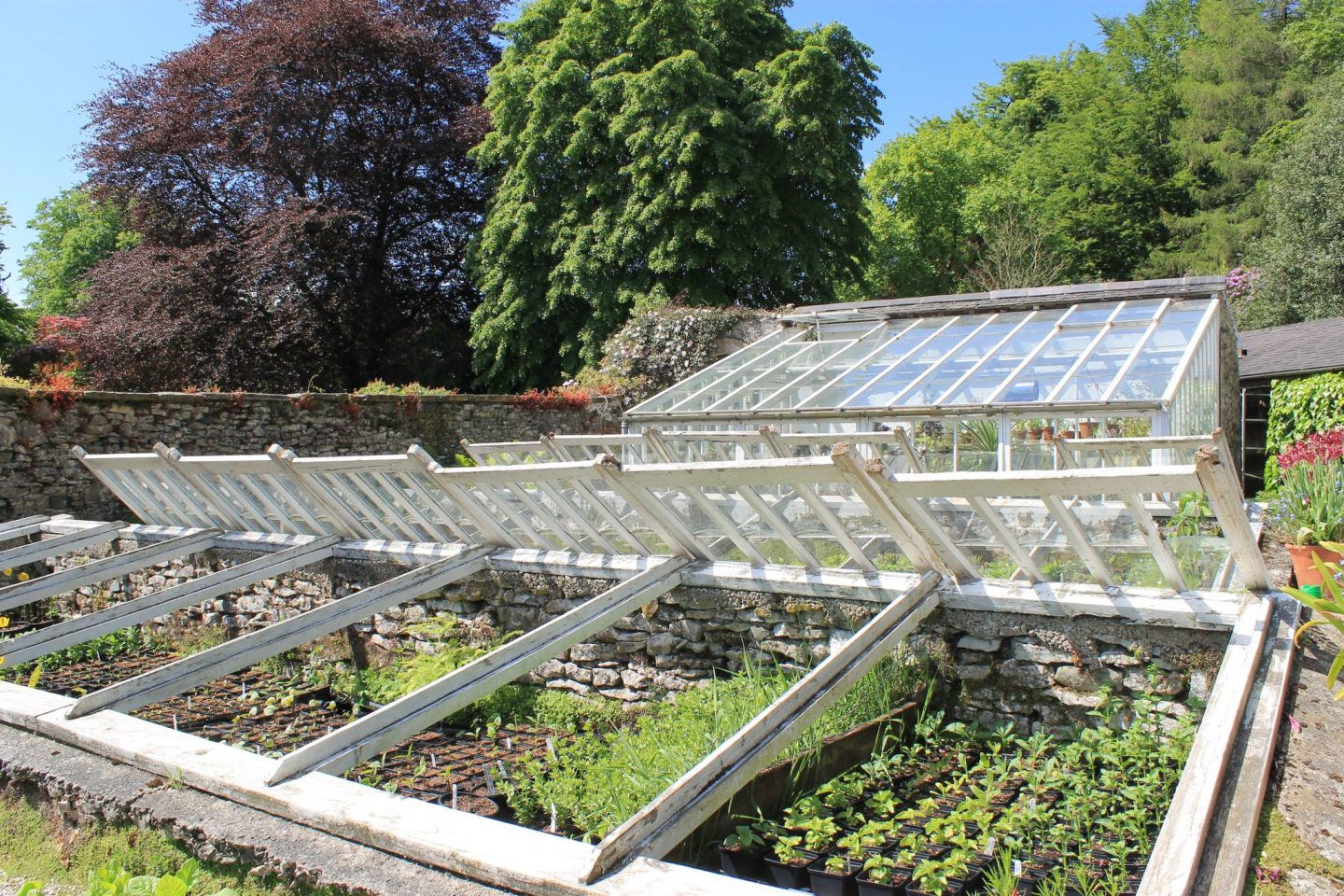
The newest area is the ‘stump garden’ where tree stumps rescued from the M6 development near Lancaster are now providing the perfect growing and display environment for many of the National Trust’s largest fern collection, which is at Sizergh.
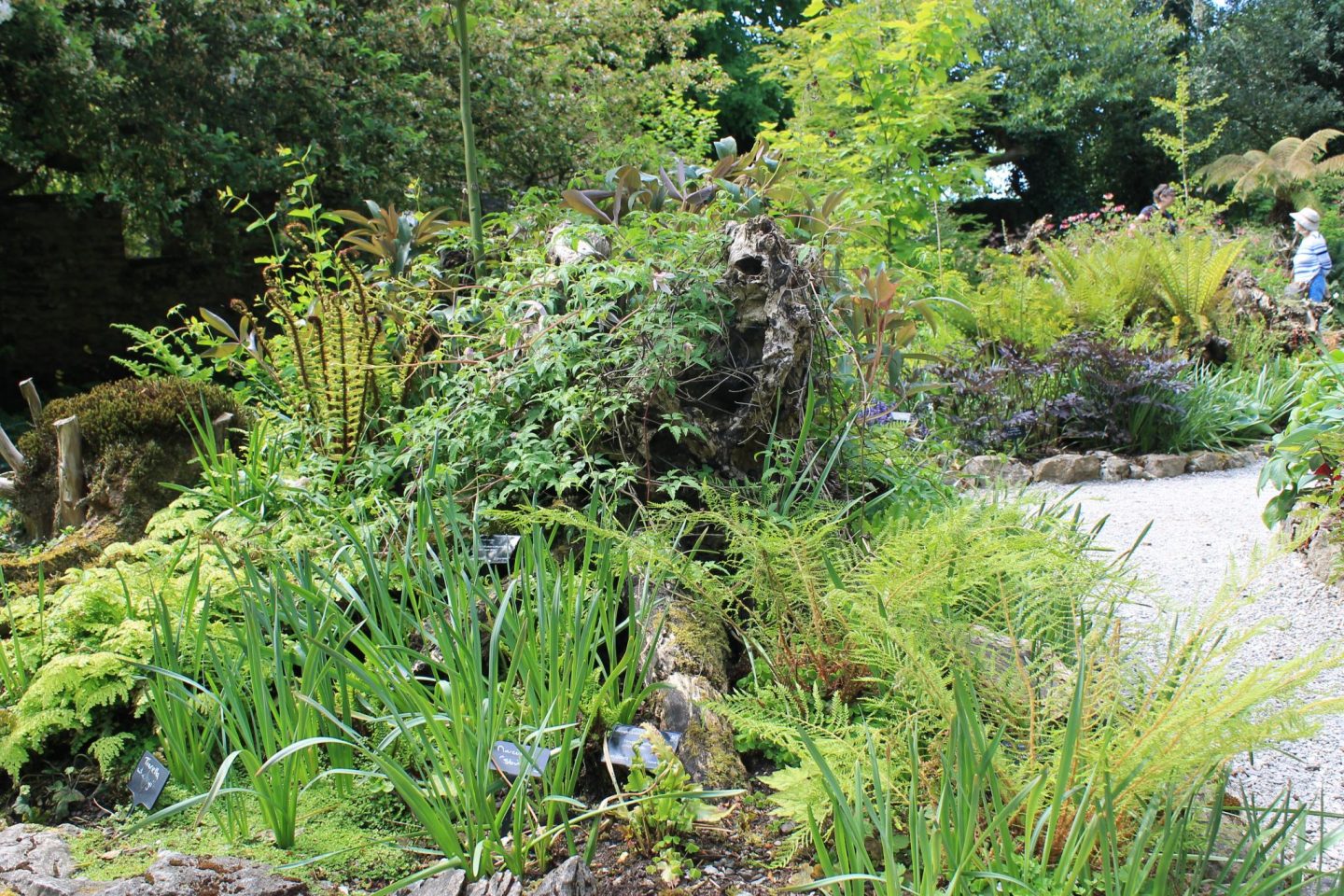
Photographer’s dream location
Whichever way you look in this garden you see the perfect composition of flowers, architecture and views – it is truly a photographer’s dream location, whatever time of year you visit (as there is also a Winter Garden to explore too!)
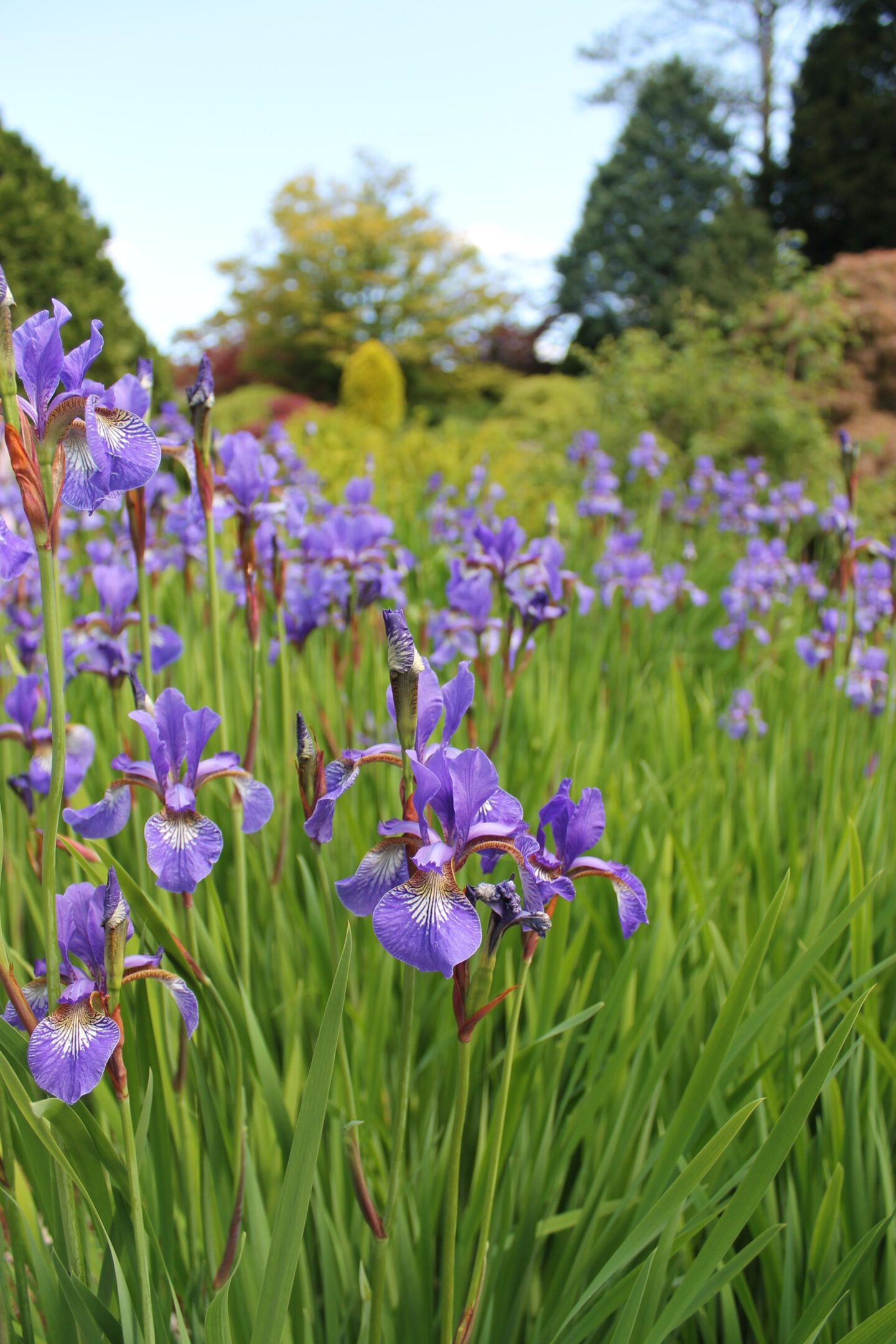
The Castle opens at 12 noon, so after a morning discovering the history and life of the garden it’s worth taking time to have lunch and taste the fresh, quality produce for lunch at the cafe.
Dog walks and dog-friendly cafe
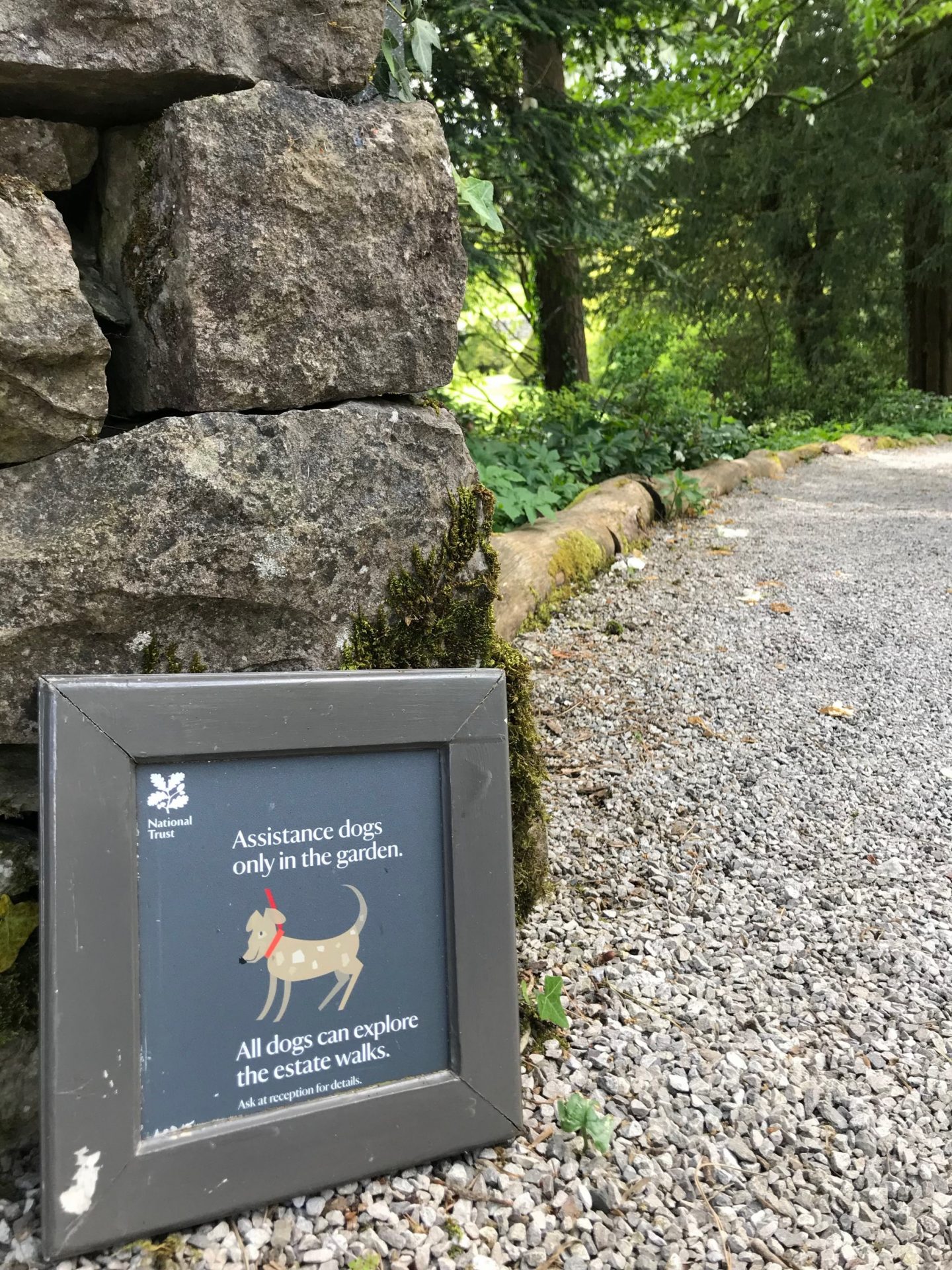
Understandably, only assistance dogs are allowed in the formal gardens and castle, however our sheepdog Mr Arthur Weasley along with all his canine pals would be welcome in the wider estate gardens, and also he could join us in the cafe where there were ample dog bowls on the veranda.
The cafe was very popular, however, there is a clear system in place and the self-service queue was managed very promptly. And you could taste the freshness of the salad, new potatoes and amazing vegetable quiche. The prices were reasonable, especially for the quality of the food.
Castle and hall of discovery
The afternoon visit inside the Castle was equally fascinating as the garden tour. The panelling in the rooms, especially the Elizabethan Inlaid Chamber were stunning, and the wall hangings so vibrant.
I found the study such a clam, peaceful place. I wish I had a room to work in with a view like that.
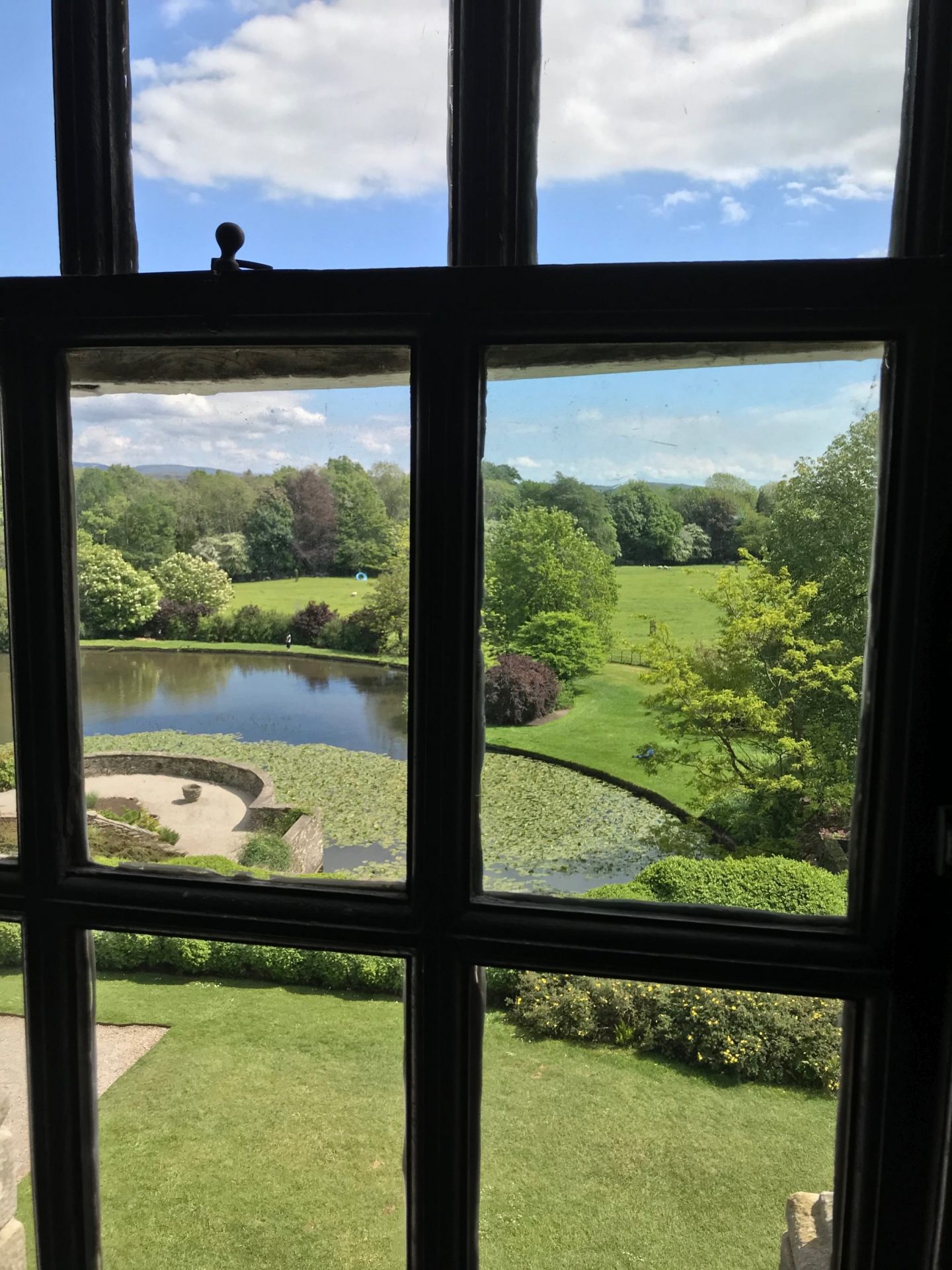
Taking the 17th century stone spiral staircase back down to the exhibition room, you get a real feel for the centuries of history captured in this special place.
New textile & conservation exhibition
New for 2019, ‘The Sizergh Silk Road – from Goa to Antwerp’ exhibition not only has the James II bedspread on display, but there is also an excellent section celebrating and explaining the conservation work, and efforts made to preserve the textile and other collections.
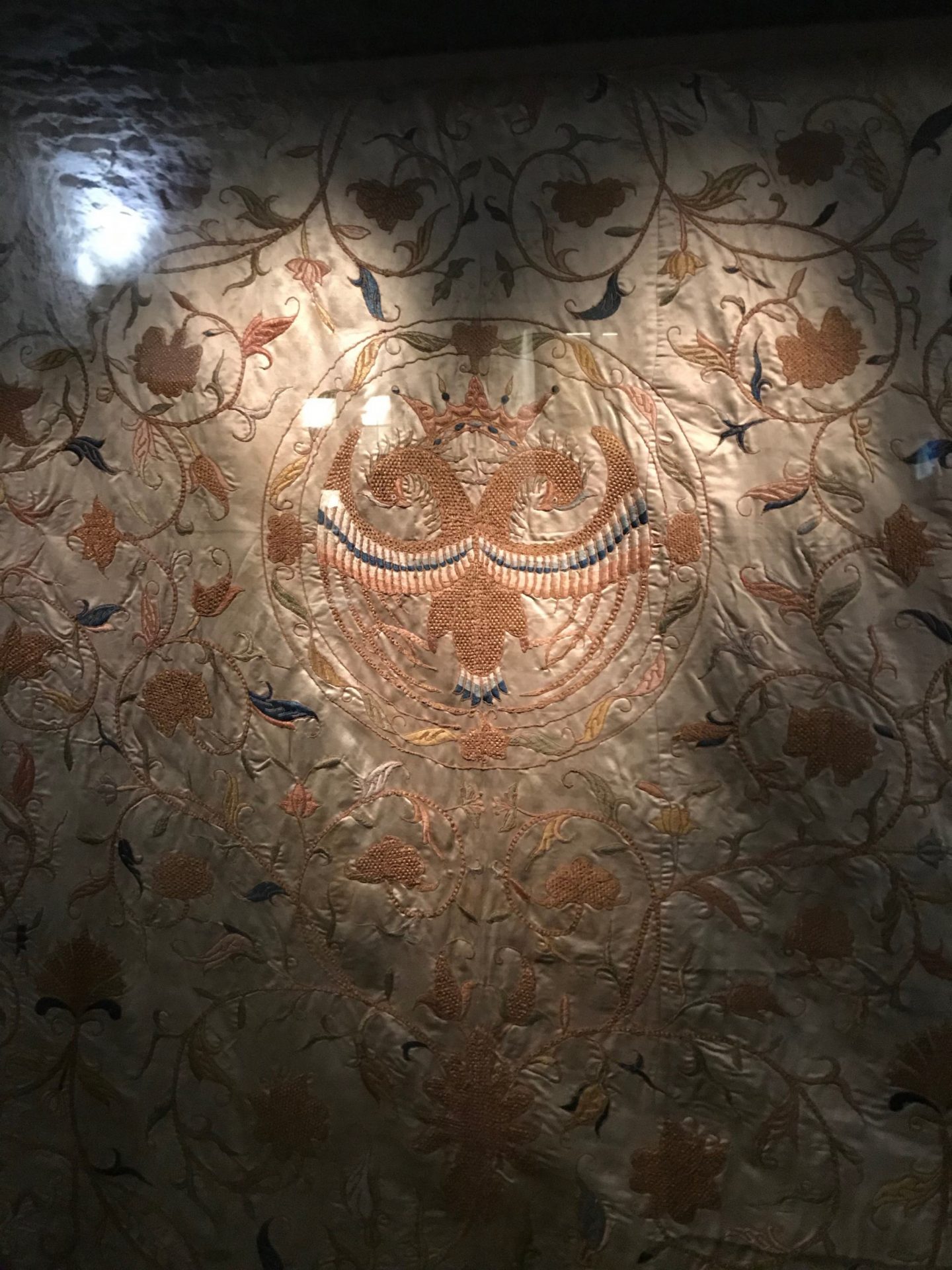
Here you can discover how the nine main ‘agents of deterioration’ – fire and flood, physical (breakages and gradual wearing away), chemical, biological (from rodents to mould), loss (pieces missing), humidity and temperature and finally light – are halted or slowed to preserve the National Trust’s collections. However, this is more than a house of collections.
A real ‘at home’ visit
There is a warmth about the rooms as you walk through the hall, homely and comfortable, and you can tell it is a real home. It was interesting to learn how in 1950 Mary and Henry Hornyold-Strickland and their son Lieutenant-Commander Thomas donated the house and most of its contents to the National Trust, on the agreement that the family would always be able to live here. Personally, I think it adds something to the place, knowing it is a warm home rather than a cold museum.
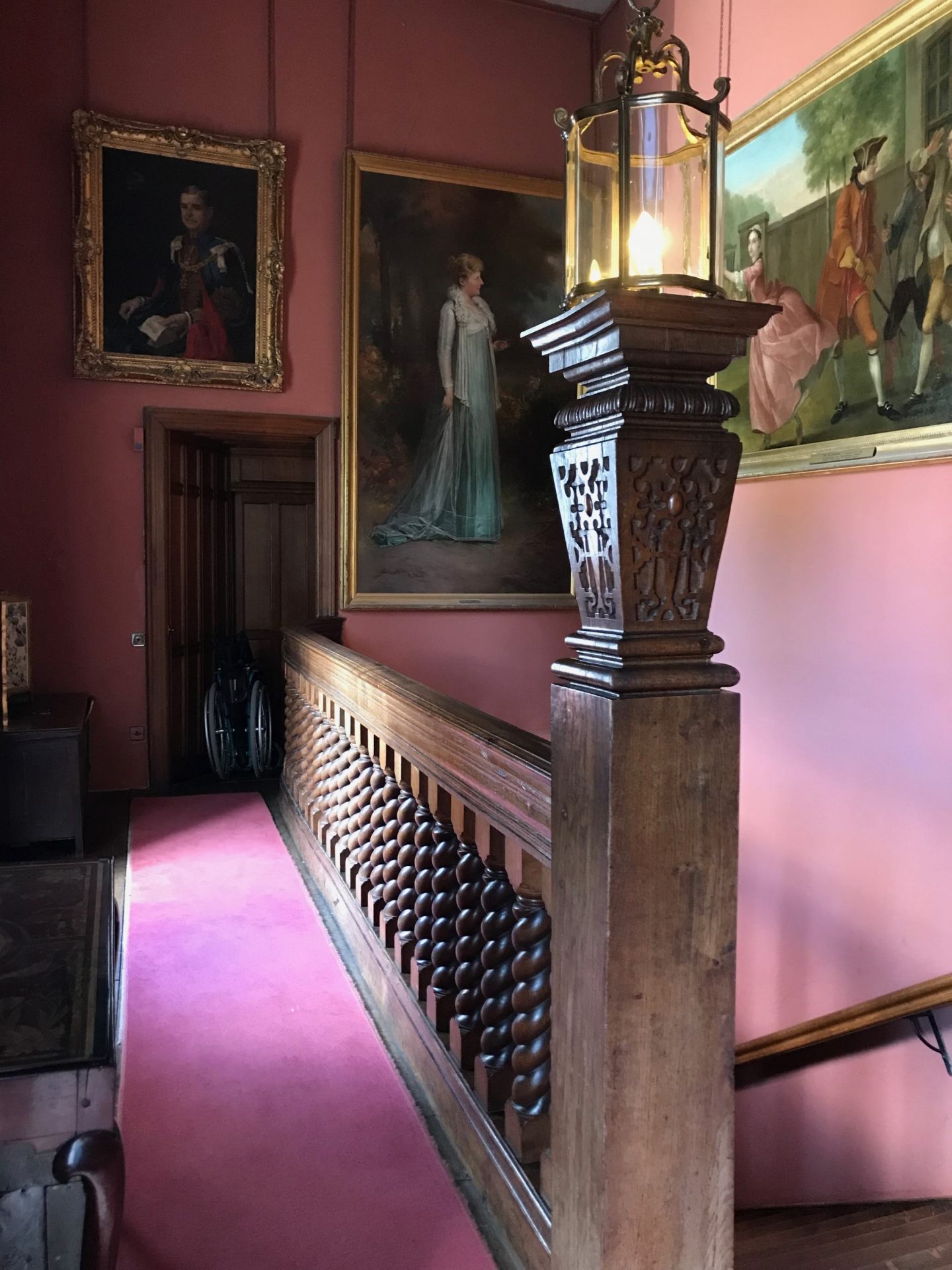
And as our garden guide said, because there are no plans for how the garden was originally designs, the head gardener can work to the spirit of the garden – in that it was always at the forefront of gardening trends and today has meadow planting within the formal garden and companion planting in the kitchen garden which encourages biodiversity. This is a living garden and home.
Sizergh’s influential women
Another aspect of Sizergh is the influence women have had on the success of the estate.
The role of women is celebrated here, and a guide has been produced ‘Sizergh: A Women’s Place’ from Elizabeth Deincourt who inherited Sizergh after the death of her father and brothers, through to Alice Tempest who managed the estate as her son Thomas was still a minor when his father died in the 1500s and who completed the decoration of the interior.
Another interesting woman is Winifred Trentham, who after the death of her husband made the dangerous journey back from exile in France to secure her son’s inheritance in the late 1600s.
There is also Edline Sackville who supplied the means to afford the upkeep of Sizergh in the late 1800s, early 1900s, Margaret Hulton who co-founded The Times of Malta, Mary Hornyold-Stickland who as a woman could not inherit the title even though she was the eldest daughter of Lord Stickland, to Angela Engleheart who died in 2015 and with her husband donated Sizergh to the National Trust.
We will be returning to Sizergh Castle and garden to see it in the different seasons and to enjoy the dog walks and a lovely lunch again.
Value for money: 5 /5 stars
- Access to Castle and Gardens
- Free entrance and car parking – National Trust members
- Adults – £12
- Children – £6
- Group adult – £11.50
- Group child – £5.75
- Family – £30
- Garden only 16 March – 27 October
- Adult – £8.00
- Child – £4.00
- Family – £20.00
- Group Adult – £7.50
- Group Child – £3
- Garden only 28 October – 31 December
- Adult – £4.00
- Child – £2.00
- Family – £10.00
- Group Adult – £3.80
- Group Child – £1.90
National Trust Membership
Adult 26+ years
£72 a year
£6 a month*
Young person 18-25 years
£36 a year
Junior
0-17 years. Under 5s go free
£10 a year
Adult (Two adults (aged 18+) living at the same address_
£120 a year
£10 a month
Family 2 adults
Two adults (aged 18+) living at the same address and up to 10 of their children or grandchildren (17 or under). Under 5s go free
£126 a year
£10.50 a month
Family 1 adult
One adult (aged 18+) and up to 10 of their children or grandchildren (17 or under). Under 5s go free
£78 a year
£6.50 a month*
Individual life membership prices
Individual life membership includes free admission for one accompanying guest at National Trust places
Individual life: £1,730
Individual senior life: £1,295
#Gifted