
In 2011 the population of Dufton was 203, while at the height of the London Lead Company’s operations in 1831 it was 554 sys Artist-in-Residence, Dawn Hurton.
I’m not sure where everyone slept because there were far fewer houses than there are today and I often try to imagine what it was like to live in the village at the time. I love that I can walk through Dufton and touch its past, left behind in the gunpowder store, the public buildings or the famous fountain. Less tangible clues as to how the land has been used endures in the pattern of small fields surrounding the settlement: some are hay meadows, grown for feeding cattle and sheep in winter; others are pasture land for grazing stock.
Back in the day, a few fields with some grazing rights for sheep or cows up on the fell made a small farm and there was a dual economy. Many families worked the mines, but in times of slump, when incomes were low and unemployment high, the farm provided a level of subsistence with fresh milk and butter and meat from the family pig to cushion the worst extremes of the mining industry. Companies such as the London Lead Company actively encouraged farming because it kept the workforce at hand during good and bad times. Without lead mining, the hills around Dufton would not have been farmed in the way they were and the land would look different today.

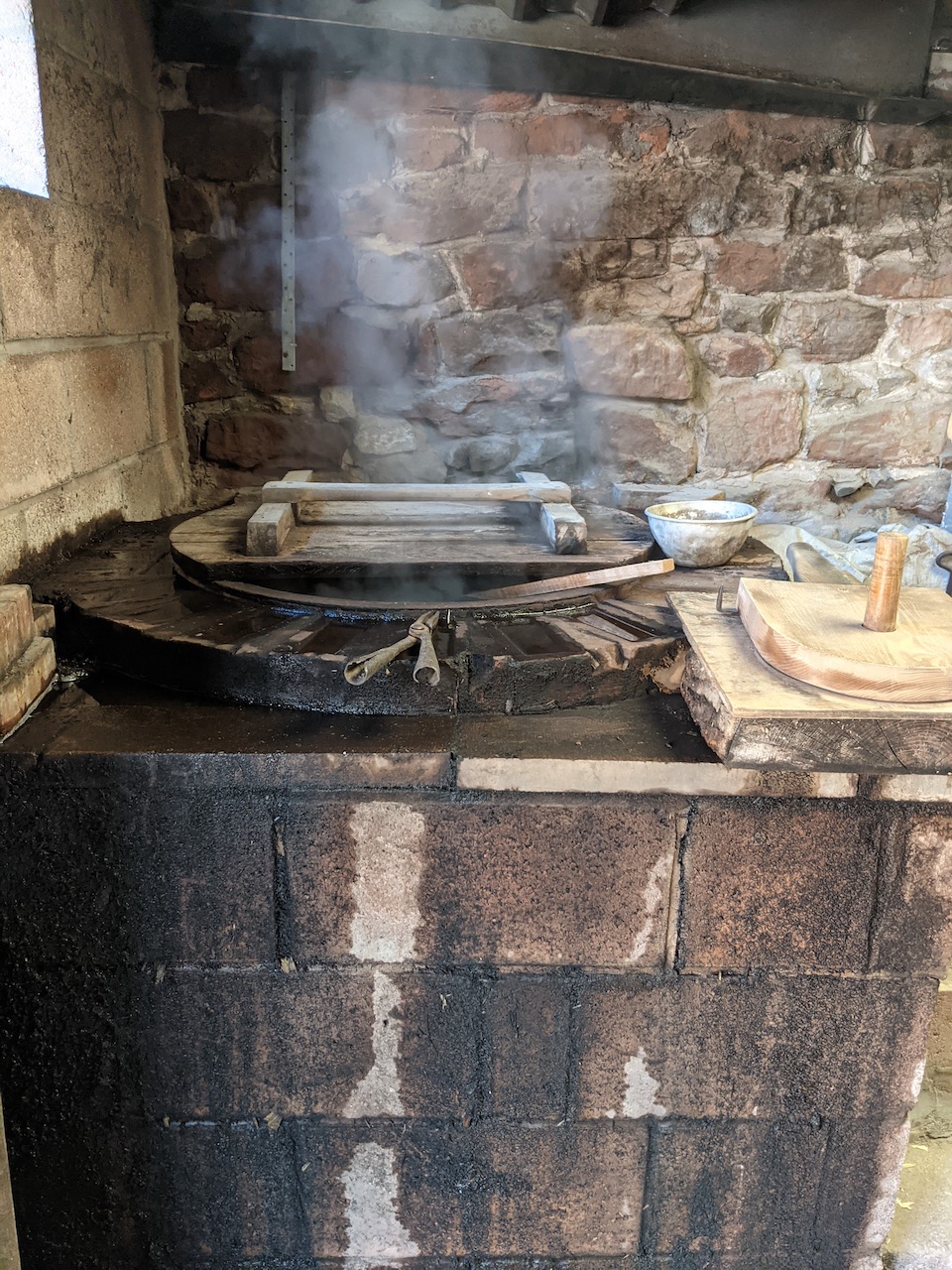
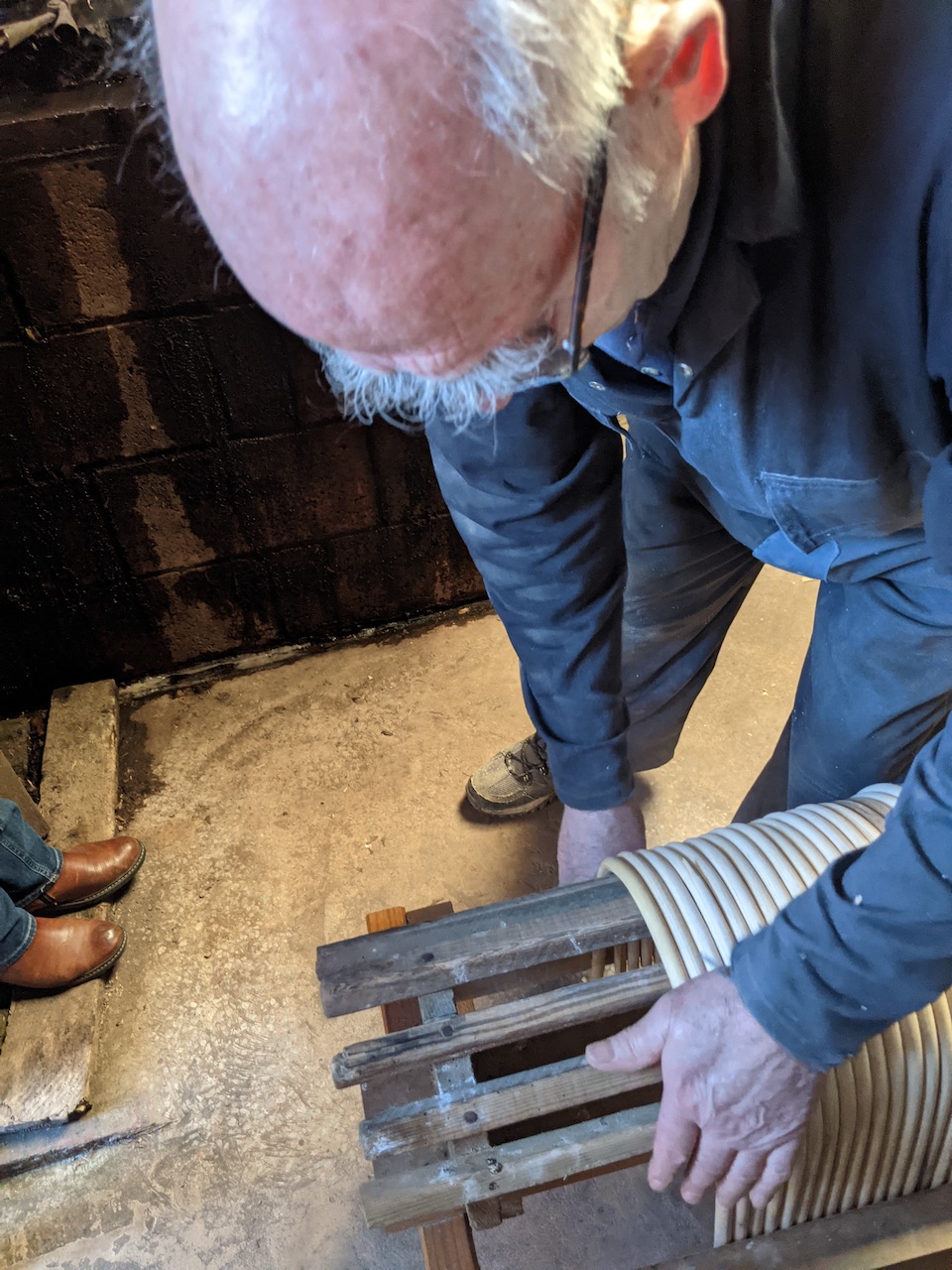
Hay rakes were an essential farming tool for these small farmers. Hay was made by growing grass for about 6 weeks in the spring, then it was cut, dried and stored in a barns or byres for feeding animals in the winter. Typically, the village joiner made rakes on a seasonal basis, but most seemed to prefer making other things. John Rudd’s grandfather was different. He enjoyed making rakes and so made them not only for the local farming community but also for some of the shops in Penrith and his rakes became popular with farmers throughout and beyond the Eden Valley. He decided to specialise in rake-making when most others didn’t and this is partly why his business has survived – the craft wasn’t continued by other people.
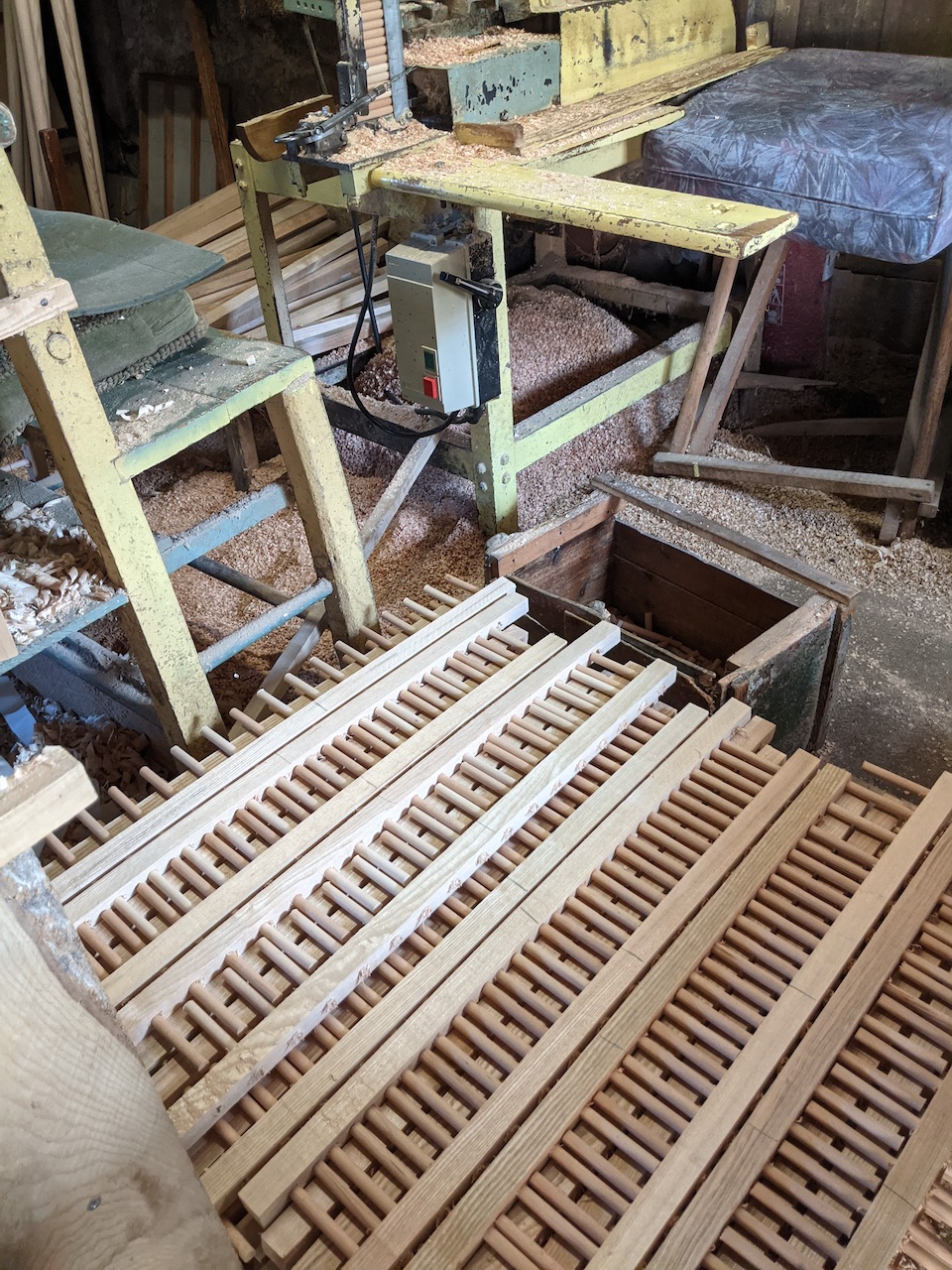
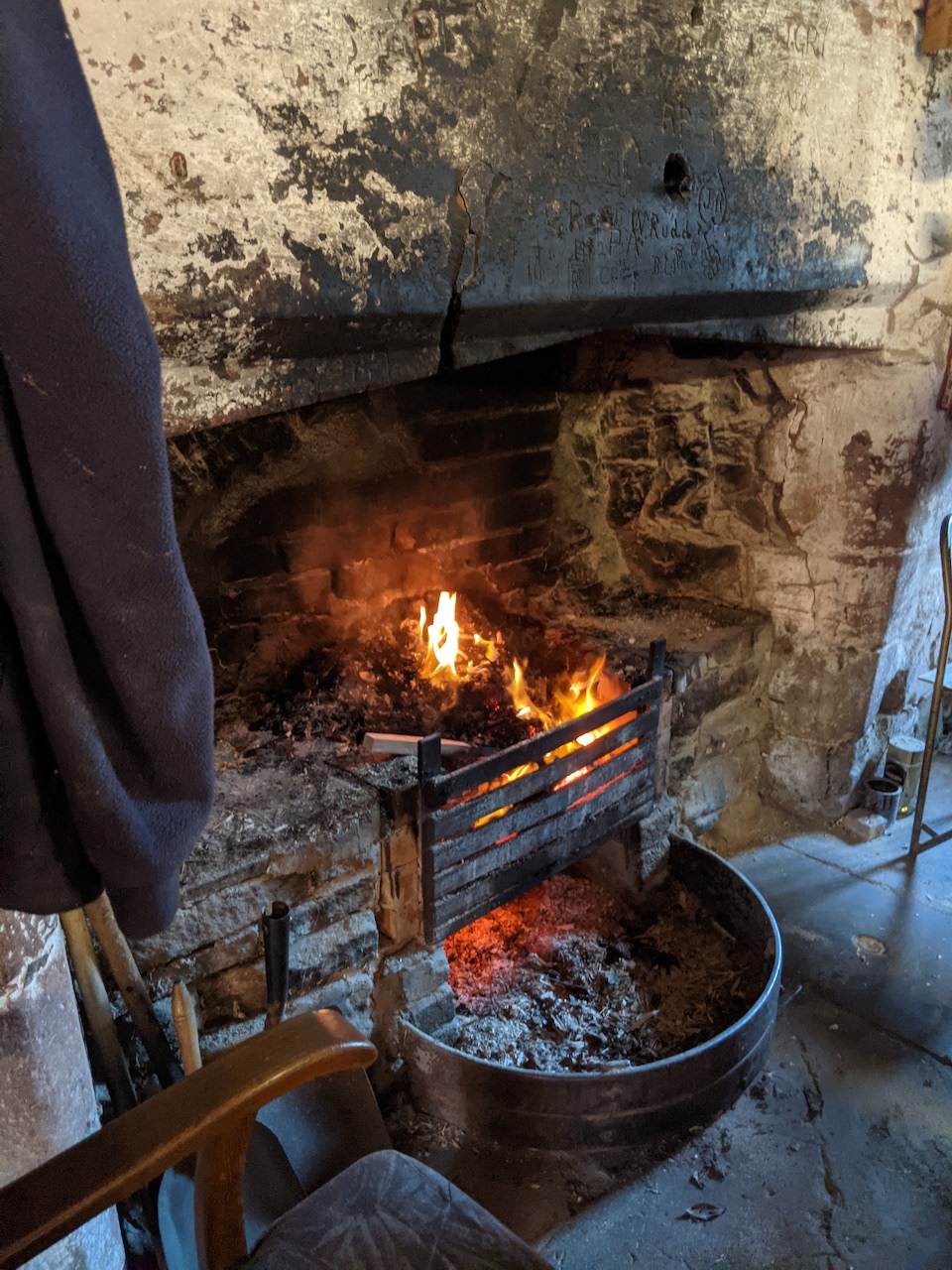
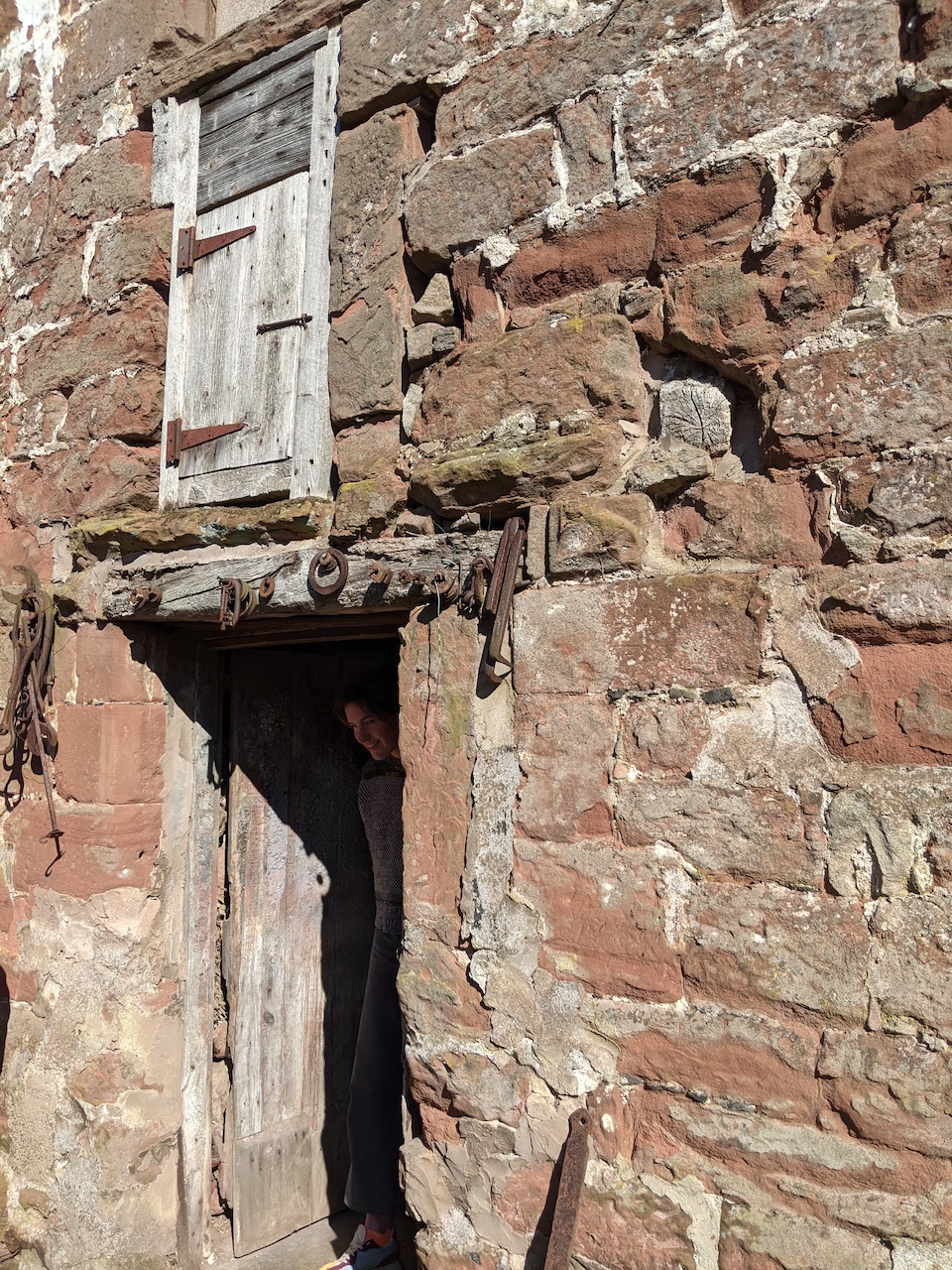
This month, I visited John Rudd’s 17th Century workshop which can still be found in a quiet corner of Dufton. The woodsmoke floated up from a chimney above the open hearth in the room where John and his son Graeme produce thousands of handcrafted wooden rakes from local and European ash and birch, the curved steam-bent bow provides a superior head strength to other rakes.
The family business was founded in 1890 (at the time when Lead Mining was in decline) and John Rudd’s credits the firm’s longevity to his father’s decision in the 1950s to get electricity into the workshop, along with his ingenuity in building specialist machinery, such as the Demon Dentist, which allowed him to speed up some of the very time-consuming jobs. Today, a combination of hand tools and machines are used for batch production, including such items as a traditional tine maker, shave horse, and a rounding machine for producing handles more quickly.
Rudd’s is proud to retain the ‘old ways’ of a craft, which would have once been practiced every village in the country. Having eschewed the cutting of costs and corners and modern materials, some twenty stages of production are still meticulously undertaken. Just last week, the Heritage Craft Association published its Red List for 2023, with rake making on the list of endangered crafts. Should the business ever disappear, it is more than a craft that will be lost. Rudd’s workshop is a window into the past, it helps us understand how human activity has evolved in this place – a distant cultural memory of miner-farmers lived through the humble rake. Now used for purposes ranging from golf course maintenance to controlling the Komodo dragons at Chester Zoo, like the land itself Rudd’s rakes have the capacity to be used and reused. Fragments of the past survive beneath new ones, only partially scrubbed out and always providing the foundations for the future.
Follow Dawn on Instagram – @dawnhurtonartist
